Sacred Spaces
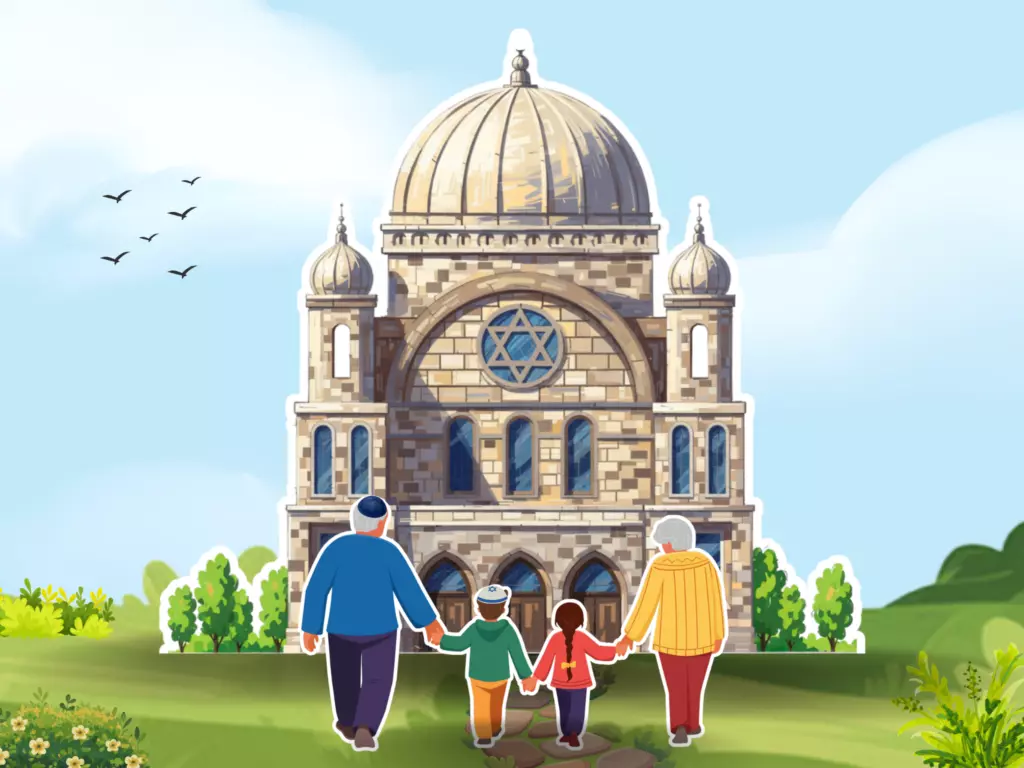
Drawing on practice-based knowledge and other forms of expertise, Sacred Spaces supports Jewish institutions to strengthen safeguarding by grounding prevention in Jewish ethical and theological frameworks.
These case studies spotlight the solutions featured in our evidence review and practice-based knowledge guidance framework. They highlight what works to prevent and respond to childhood sexual violence in low- and middle-income countries.
This is not a comprehensive list of solutions. New case studies are added monthly.
Drawing on practice-based knowledge and other forms of expertise, Sacred Spaces supports Jewish institutions to strengthen safeguarding by grounding prevention in Jewish ethical and theological frameworks.
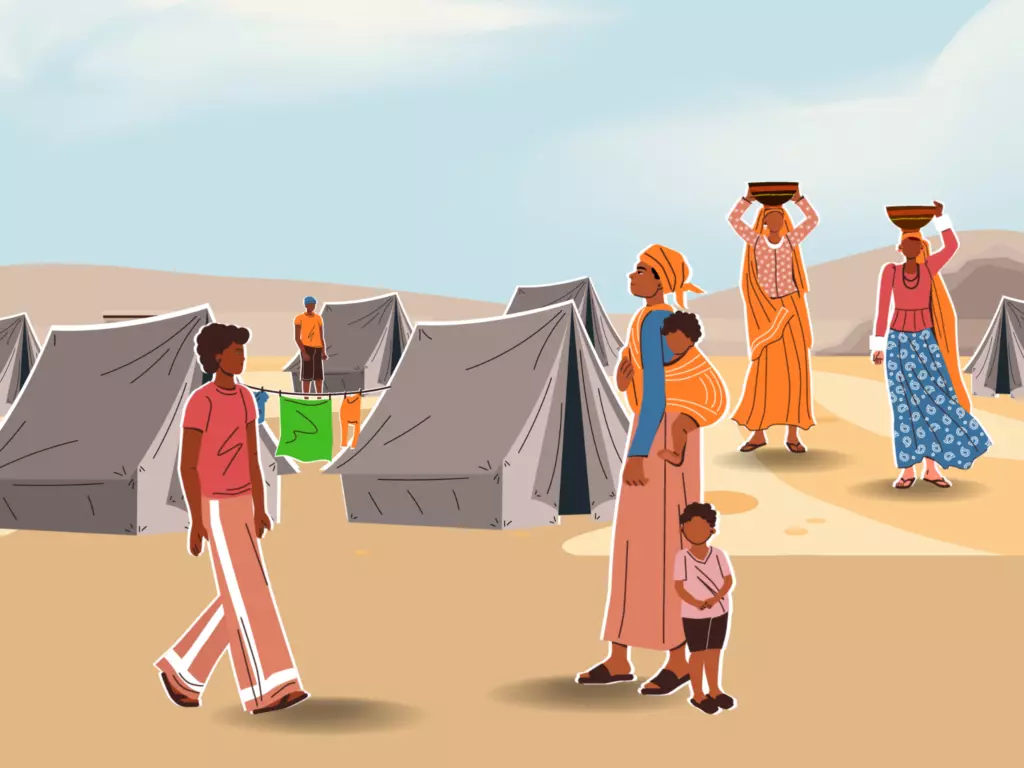
Islamic Relief brings together faith-based expertise and practice-based knowledge to strengthen safeguarding in emergency settings by adapting to local realities and equipping communities to keep children safe.
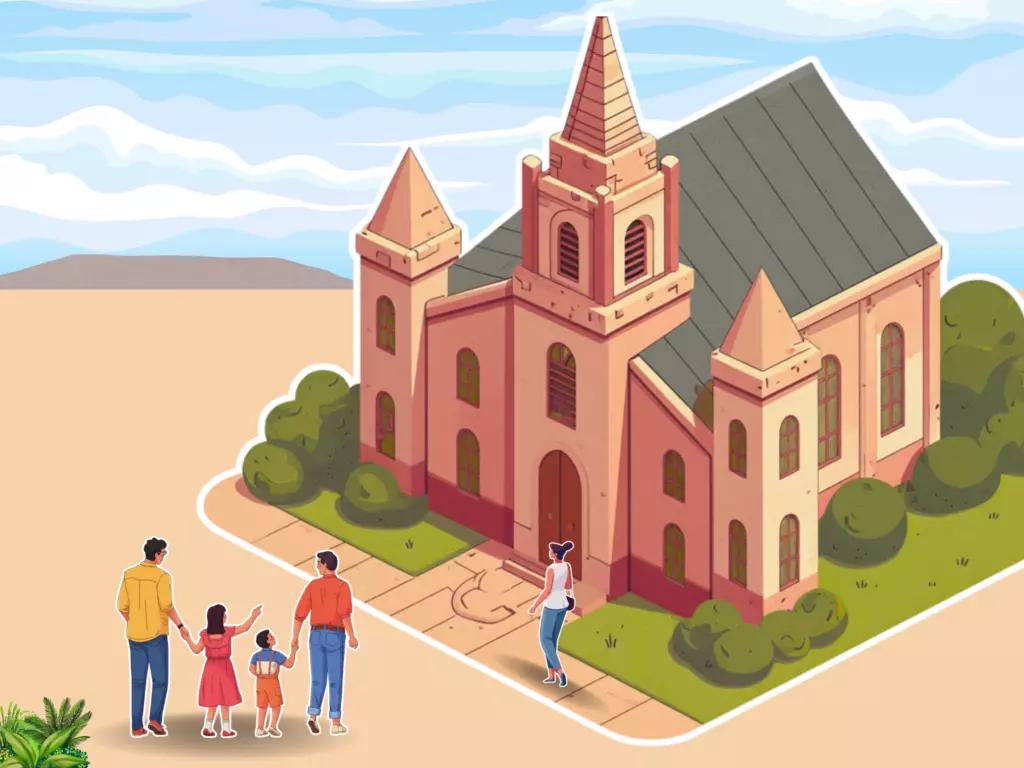
Survivor expertise and practice-based knowledge have revealed how childhood sexual violence is handled within the Church of Jesus Christ of Latter-day Saints.
A global, survivor-led movement defining accountability and assessing government action on childhood sexual violence.
A community mobilisation approach to prevent violence against women by transforming power imbalances between women and men.
Survivor-led practice-based knowledge drove the creation of a confidential disclosure mechanism for children. Designed to overcome the barriers children face in reporting abuse it has now expanded nationally and internationally.
Patterns of sexual slavery and undocumented harm against children in detention in Syria was successfully revealed through medical documentation, legal investigation, and psychosocial practice insight.
Informed by those impacted by childhood sexual violence, many adults recognise risk but hesitate to act due to emotional and social barriers. This programme practises intervention skills in real-world contexts.
ODI has built a robust body of practice-based knowledge, drawing national attention to hidden patterns of harm in schools, and exposing systemic failures in school-based childhood sexual violence.
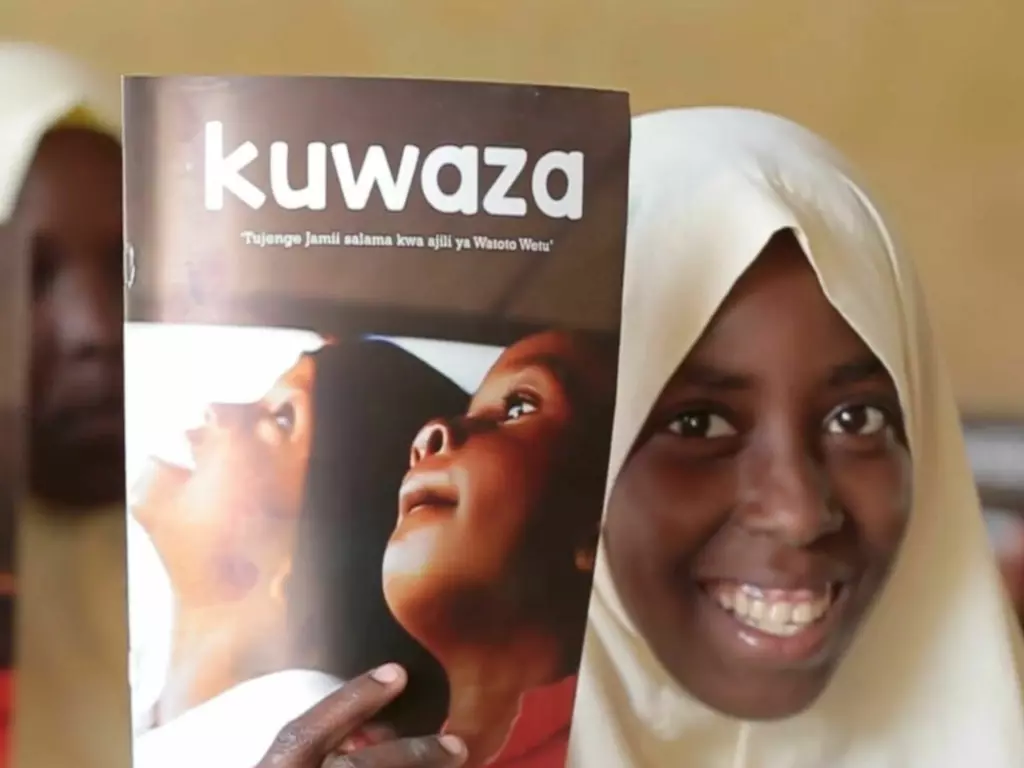
The KUWAZA III project in Zanzibar shows how prevention strategies can be strengthened when informed by practitioners, religious leaders, and communities. Practice-based knowledge from frontline work and faith-linked settings shaped a prevention toolkit that helped families and communities protect children.
In Chile, survivors of clergy sexual abuse used practice-based knowledge grounded in lived expertise to document systemic patterns of childhood sexual violence within the Catholic Church.
A play-based EdTech resource with thematic minigames and scenarios to increase children’s ability to recognize and respond to online and offline abuse.
Do you have a experience with the programs on this website, or any other interventions that aim to address or reduce childhood sexual violence?
Whether you're a advocate, activist, implementer or a participant of a program, we'd love to hear from you!