2 reports
from practice-based knowledge in environments that are difficult to access. These highlighted the grave truth about childhood sexual violence in detention and childhood sexual violence in the form of sexual slavery in detention.
Lawyers and Doctors for Human Rights (LDHR) in Syria used practice-based knowledge from legal and medical practice to document patterns of child sexual violence in government detention centres. Drawing on firsthand survivor testimonies, medical-legal documentation, and psychological assessments, their work brought visibility to a hidden, overlooked, and under-researched form of child sexual violence.
What these case studies show
These case studies illustrate how practice-based knowledge (PbK) is used in real world settings to improve childhood sexual violence prevention and response. Each case focuses on what practitioners or survivor-led groups learned through action, reflection, and decision-making in their own contexts, and how that knowledge was taken forward.
What these case studies do and do not do
The case studies do not aim to produce generalisable findings. Instead, they offer context-specific insight into how practice unfolds, where challenges emerge, and how actors respond in real time. The absence of evaluation or impact data should not be interpreted as evidence for or against effectiveness.
How to use these insights in your own work
These case studies are intended to support reflection rather than replication. Readers may find them useful for:
Ethical use and limitations
Documenting and sharing PbK requires careful attention to safety, consent, power, and potential harm, particularly when engaging with sensitive experiences of child sexual violence. The ethical principles guiding this work are set out in the PbK Guidance Framework
Scope and limits of the knowledge shared
Each case study reflects the type and depth of knowledge available within its context. Differences in format, detail, and focus reflect variation in purpose, access, and the conditions under which knowledge was documented and shared.
Content warning
Some of the case studies include details of childhood sexual violence. Each case study includes specific content notes to support informed engagement. Please take care of your well-being as you read and step away if needed. For additional support, you may find it helpful to consult the following resources:
Through survivor testimonies, clinical interviews, psychological assessments, and medical evaluations, LDHR uncovered new forms of abuse, sexual slavery, patterns of abuse, survivor-centred insights and barriers to reporting and support.
Since the start of the Syrian conflict in 2011, Lawyers and Doctors for Human Rights (LDHR) noted how detention and torture have been systematically used by the government as tools of political control. Children, along with adults, have endured prolonged detention under extreme conditions, including torture, forced labour, and sexual violence. Because detention facilities operate in secrecy and survivors face stigma and risk of retaliation, sexual violence against children has remained largely undocumented.
The political sensitivities of the conflict, restrictions on access to detention centres, and high risks of retaliation have made it nearly impossible to conduct formal research. Prevalence data are scarce, and most forms of evidence have been blocked by the conflict context. Children subjected to sexual slavery in detention were not only invisible in terms of research but also lacked effective advocacy, protection, and support services.
LDHR, a network of Syrian legal and medical professionals, has worked for years to document violations, including those against children in detention. By building trust with survivors and former detainees, they have begun understanding the extent of sexual violence and laid the groundwork for recognition of sexual slavery as a practice in detention.

Children, along with adults, have endured prolonged detention under extreme conditions, including torture, forced labour, and sexual violence.
What was learned from practice-based knowledge
Through survivor testimonies, clinical interviews, psychological assessments, and medical evaluations, LDHR generated knowledge that brought new forms of abuse to light:
The reports highlighted under-recognised forms of childhood sexual violence in closed settings, especially conflict zones.
Two reports from difficult-to-access environments revealed childhood sexual violence in detention, including sexual slavery.
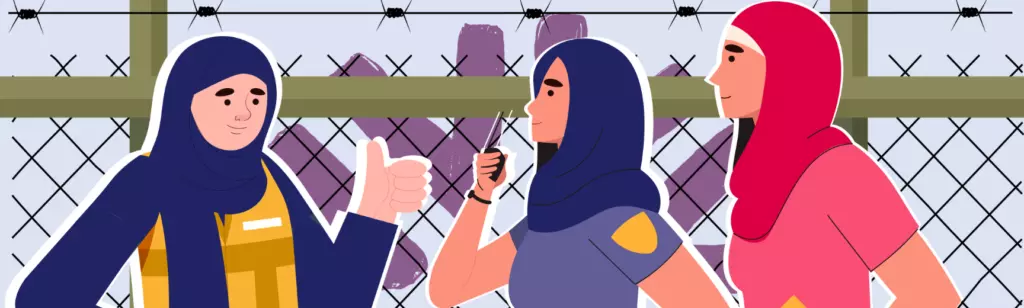
The report recommend tailored responses for service providers and legal actors to address the specific needs of survivors of detention-related sexual slavery.
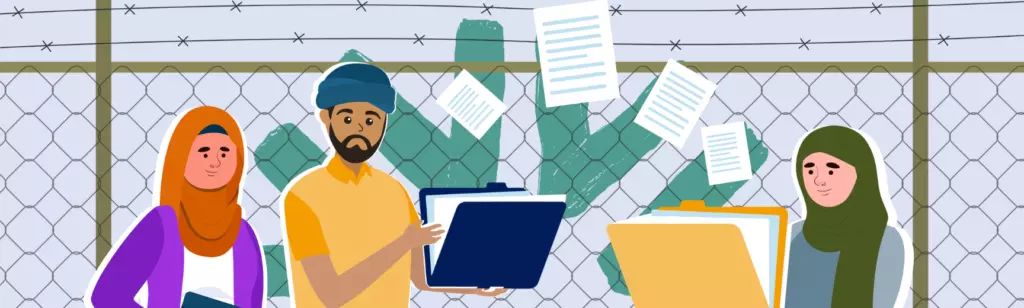
The reports provided credible documentation for international justice mechanisms.
from practice-based knowledge in environments that are difficult to access. These highlighted the grave truth about childhood sexual violence in detention and childhood sexual violence in the form of sexual slavery in detention.
The reports highlighted under-recognised forms of childhood sexual violence in closed settings, especially conflict zones.
The reports provided credible documentation for international justice mechanisms.
The report recommend tailored responses for service providers and legal actors to address the specific needs of survivors of detention-related sexual slavery.
How practice-based knowledge was shared
LDHR examined grave violations against children, including torture, arbitrary detention, and sexual violence. Based on 10 medical evaluations, they published a report revealing that four in five detained girls were subjected to childhood sexual violence and three in five boys experienced forced nudity. Survivors and witnesses corroborated repeated abuse, including coerced sexual acts, harassment, and continuous threats of violence.
In 2022, LDHR published a second comprehensive report sharing their practice-based knowledge – specifically documenting sexual slavery against adults and children in Syrian detention centres. The report was grounded in medical evaluations conducted by LDHR doctors trained under the Istanbul Protocol [1] providing clinical validation of survivors’ accounts and demonstrating the systemic nature of abuse.
The reports aimed to:
LDHR’s work demonstrates how practice-based knowledge can create foundational knowledge in environments that are difficult to access. While the impact of these efforts is still unfolding, the documentation serves as a critical step in setting the stage for future interventions, advocacy, and research. Since Syria has been liberated from the regime since December 2024, LDHR is now exploring more opportunities to expand the study.
LDHR’s work underscores the crucial role of practice-based knowledge in revealing abuse that remains hidden in environments that are typically inaccessible to researchers. By drawing on firsthand survivor accounts and medical-legal documentation, LDHR provided critical knowledge can provide the foundation for immediate intervention as well as long-term research priorities.
LDHR’s experience in Syria shows how practice-based knowledge can surface forms of violence that remain hidden in formal research, especially in closed or politically sensitive environments. These questions are offered to guide reflection in your own setting:
[1] Lawyers and Doctors for Human Rights (LDHR). (2019). No silent witnesses: Violations against children in Syrian detention centres. Lawyers and Doctors for Human Rights.
[2] Lawyers and Doctors for Human Rights. (2022). “Dying a thousand times a day”: Sexual slavery in Syrian detention. Lawyers and Doctors for Human Rights.
[3] United Nations. (2022). Istanbul Protocol: Manual on the effective investigation and documentation of torture and other cruel, inhuman or degrading treatment or punishment (Rev. ed.). Office of the United Nations High Commissioner for Human Rights. https://www.ohchr.org/en/publications/policy-and-methodological-publications/istanbul-protocol
Do you have a experience with the programs on this website, or any other interventions that aim to address or reduce childhood sexual violence?
Whether you're a advocate, activist, implementer or a participant of a program, we'd love to hear from you!