Increased knowledge
All participants reported greater understanding of childhood sexual violence.
Informed by work with those impacted by childhood sexual violence, many adults recognise risk but hesitate to act due to emotional and social barriers. The 12-week programme builds adult readiness by helping participants practise intervention skills in real-world, relational contexts.
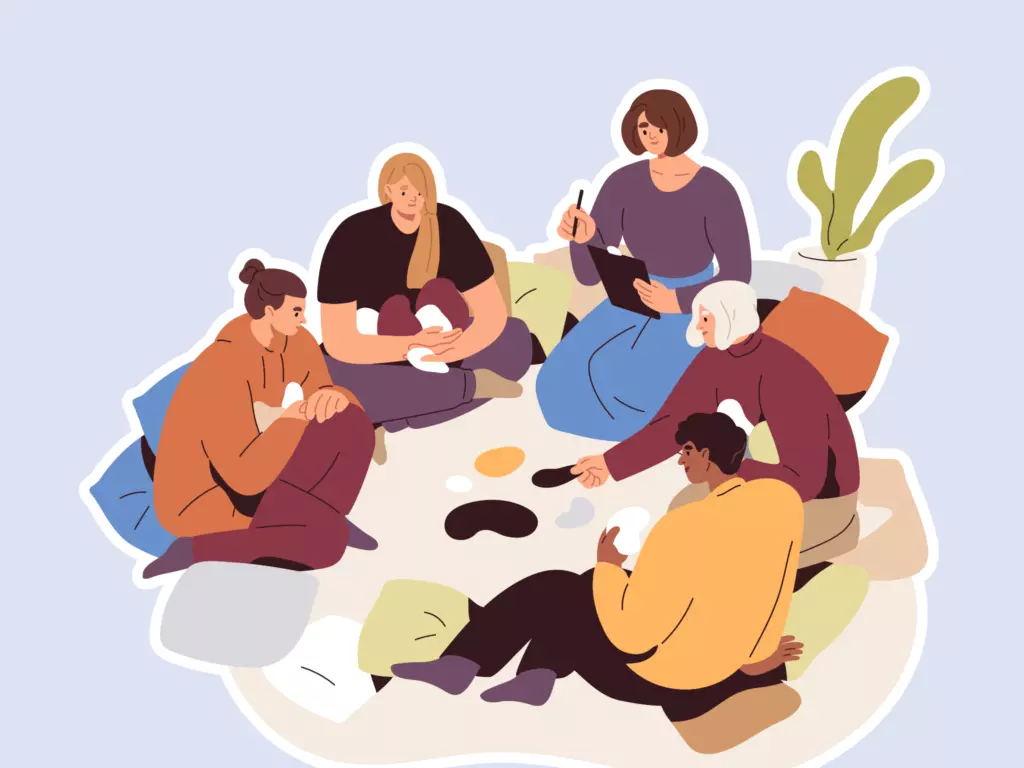
What these case studies show
These case studies illustrate how practice-based knowledge (PbK) is used in real world settings to improve childhood sexual violence prevention and response. Each case focuses on what practitioners or survivor-led groups learned through action, reflection, and decision-making in their own contexts, and how that knowledge was taken forward.
What these case studies do and do not do
The case studies do not aim to produce generalisable findings. Instead, they offer context-specific insight into how practice unfolds, where challenges emerge, and how actors respond in real time. The absence of evaluation or impact data should not be interpreted as evidence for or against effectiveness.
How to use these insights in your own work
These case studies are intended to support reflection rather than replication. Readers may find them useful for:
Ethical use and limitations
Documenting and sharing PbK requires careful attention to safety, consent, power, and potential harm, particularly when engaging with sensitive experiences of child sexual violence. The ethical principles guiding this work are set out in the PbK Guidance Framework
Scope and limits of the knowledge shared
Each case study reflects the type and depth of knowledge available within its context. Differences in format, detail, and focus reflect variation in purpose, access, and the conditions under which knowledge was documented and shared.
Content warning
Some of the case studies include details of childhood sexual violence. Each case study includes specific content notes to support informed engagement. Please take care of your well-being as you read and step away if needed. For additional support, you may find it helpful to consult the following resources:
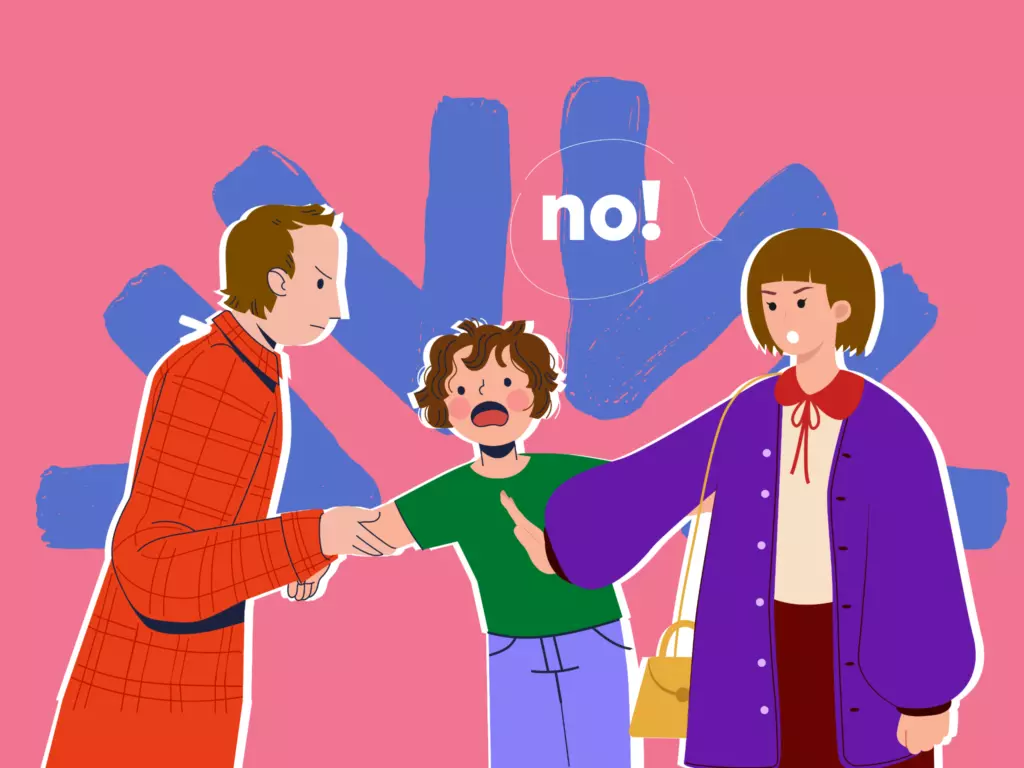
Enhanced communication skills: All participants self-reported that they improved their ability to respond to sensitive situations.
Hidden Water supports those impacted by childhood sexual violence: adult survivors, those who have caused harm and are seeking accountability, individuals with dual experiences of harm and causing harm, non-offending parents and other loved ones. It does this by focusing on a) individual healing, b) collective healing and conflict resolution, and c) active prevention.
The organisation operates virtually with participants across 43 U.S. states and 22 countries, including 15 high-income and seven low- and middle-income regions across Africa, Asia, Europe, Latin America, and the Pacific.
What was learned from practice-based knowledge
With over 11 years of experience in facilitation and having worked with more than 1,500 individuals impacted by childhood sexual violence, Hidden Water identified a readiness gap in prevention: knowledge alone doesn’t lead to action.
Drawing on these practice-based knowledge insights, Hidden Water designed Safe(r) Adults, a 12-week program that moves beyond awareness-raising to build real-world readiness.
Program foundations
What do participants learn?
Sessions involved dyad practice, group reflection, and learning from real-world dilemmas shared by participants.
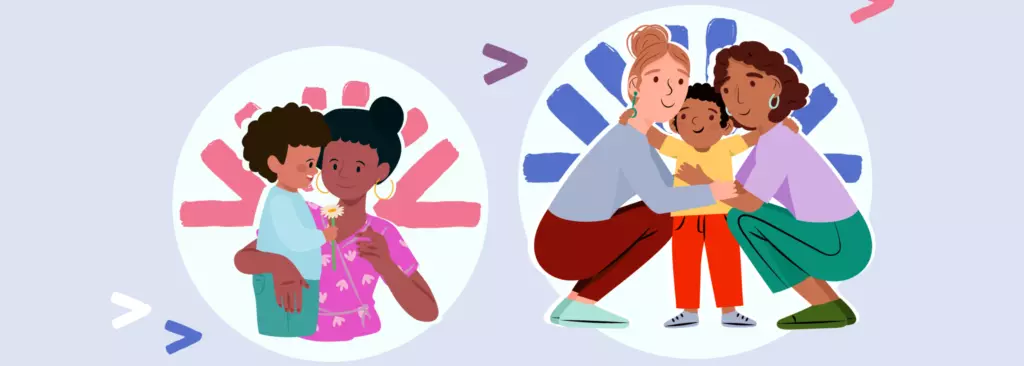
Real-world application: About 60% of participants had already used their new skills in everyday situations, especially given that some may not have encountered the opportunity to intervene yet.
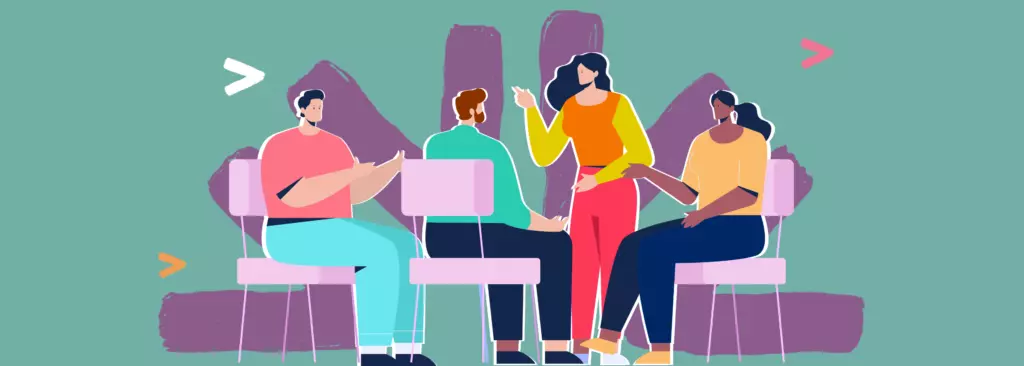
Deeper emotional understanding: All participants felt more emotionally ready to intervene.
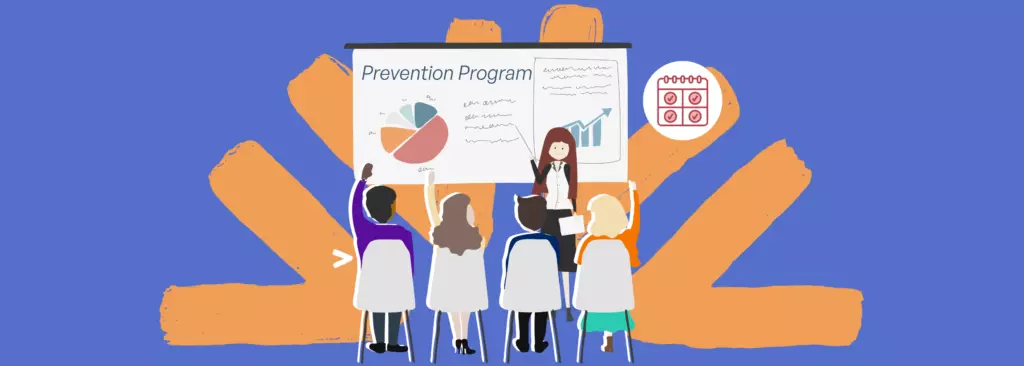
Increased knowledge: All participants reported greater understanding of childhood sexual violence.
Early insights from two pilot cohorts in 2025 (17 participants) based on an early internal assessment showed:
All participants reported greater understanding of childhood sexual violence.
All participants felt more emotionally ready to intervene.
All participants self-reported that they improved their ability to respond to sensitive situations.
About 60% of participants had already used their new skills in everyday situations, a strong indicator of the program's potential impact, especially given that some may not have encountered the opportunity to intervene yet.
By learning from those with lived expertise, Hidden Water identified the emotional and relational challenges that stop people from acting and turned those insights into a practical, skills-based program. Safe(r) Adults demonstrates how PbK can uncover overlooked dynamics and translate them into practical strategies that strengthen prevention.
During programme development, Hidden Water surfaced important tensions in how “prevention” is understood. Non-offending parents shared that, despite taking protective steps, grooming and harm still occurred. For them, the language of prevention felt limited or even misleading, as they were not in a position to fully prevent harm. In response, Hidden Water expanded its framing to include not only prevention, but also interruption and healing responses to childhood sexual violence.
This broader understanding informed both programme content and the name Safe(r) Adults, reflecting a realistic, responsibility-based approach rather than a promise of absolute prevention.
PbK is not a one-size-fits-all solution, but it helps us ask better questions to refine our approach. As you reflect on your own work, consider:
Use these questions to consider how PbK can inform your own practice, helping you explore challenges you might not have considered and develop strategies tailored to your context.
Do you have a experience with the programs on this website, or any other interventions that aim to address or reduce childhood sexual violence?
Whether you're a advocate, activist, implementer or a participant of a program, we'd love to hear from you!