Practice-based knowledge
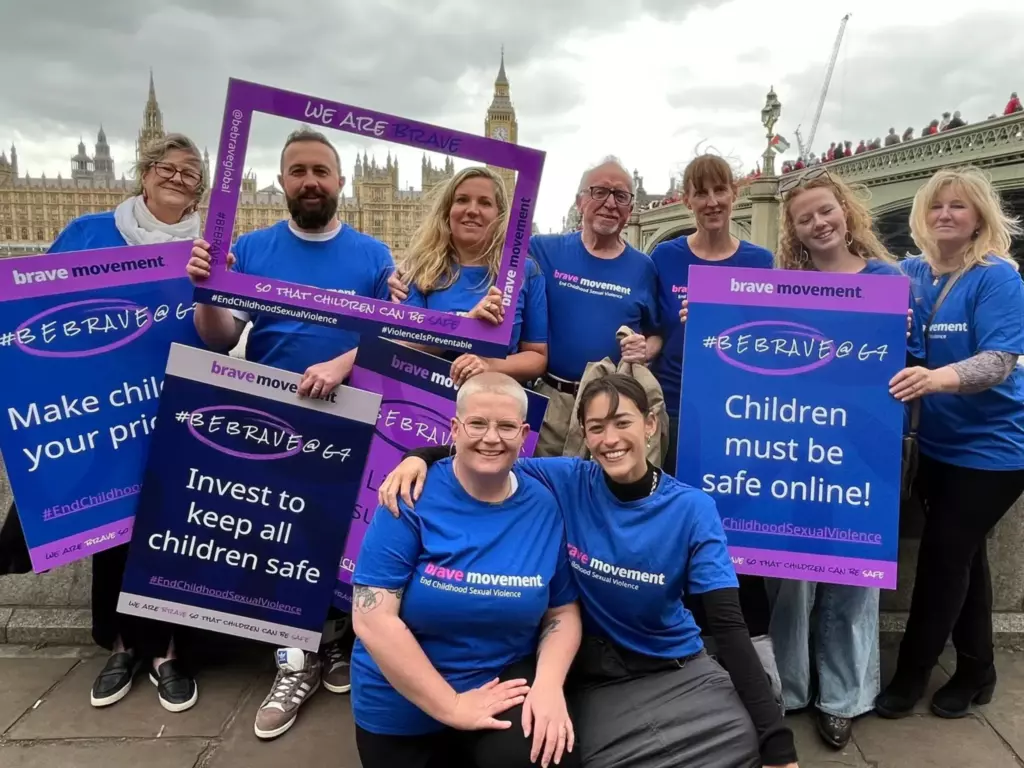
Brave Movement
A global, survivor-led movement defining accountability and assessing government action on childhood sexual violence.
- Global
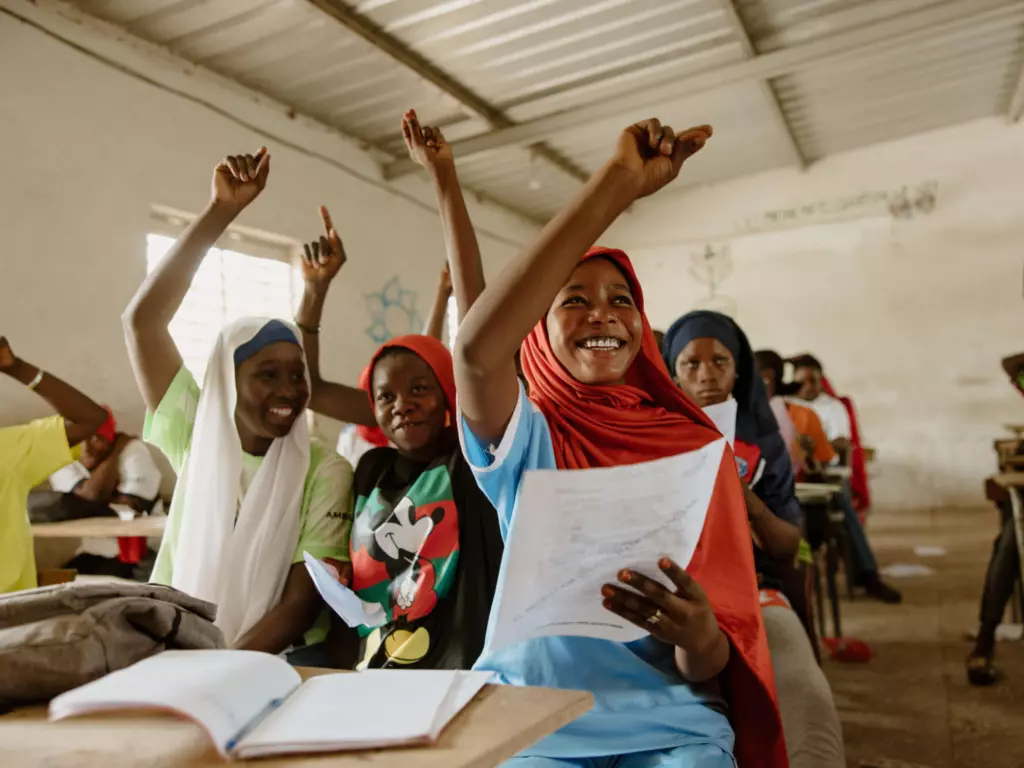
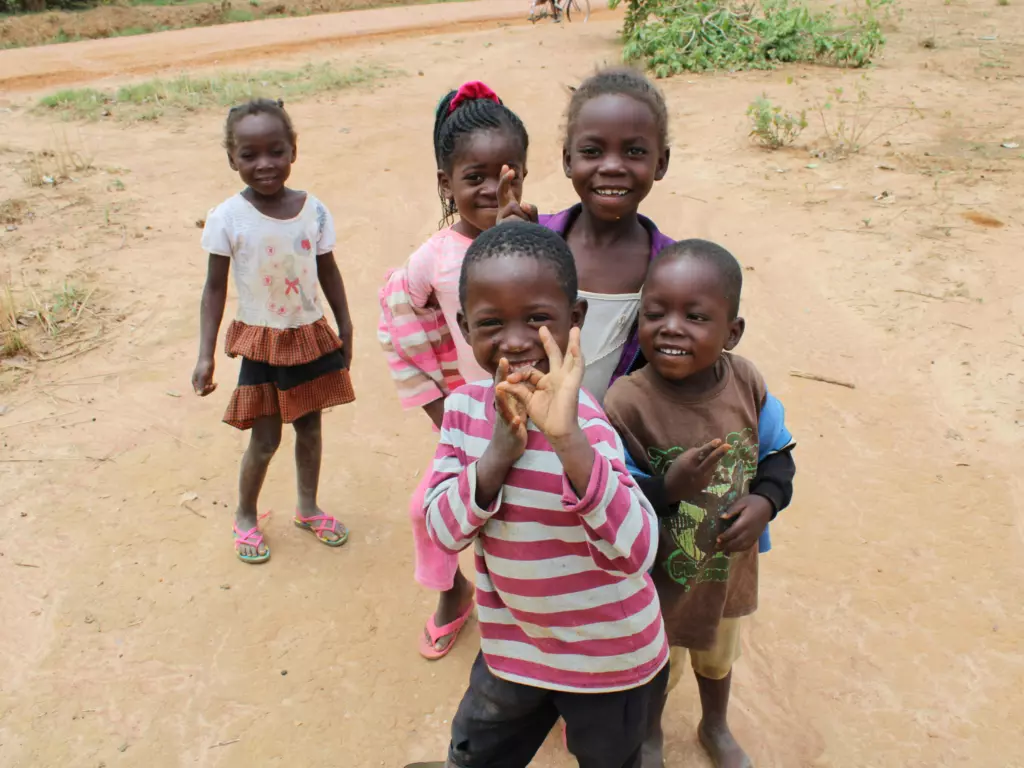
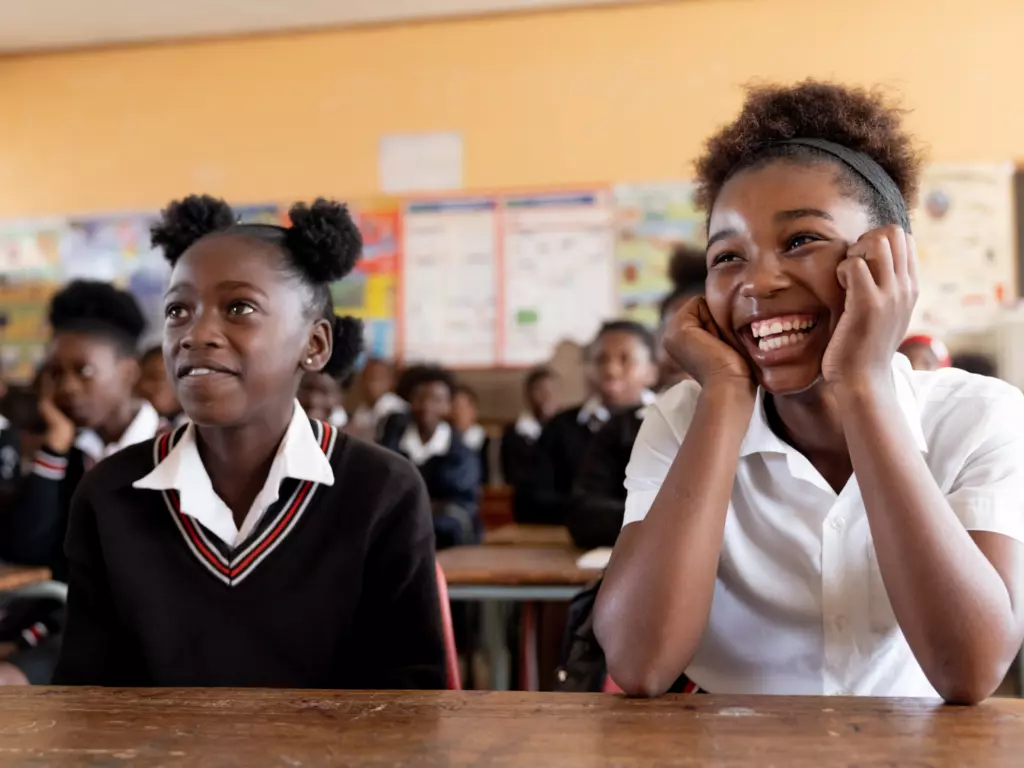
These case studies spotlight the solutions featured in our comprehensive evidence review and practice-based knowledge framework. They highlight what works to prevent and respond to childhood sexual violence in low- and middle-income countries.
A global, survivor-led movement defining accountability and assessing government action on childhood sexual violence.
Survivors of clergy sexual abuse documented systemic patterns of childhood sexual violence within the Catholic Church, challenging institutional silence and contributing to legal reform, including the abolition of statutes of limitation for sexual offences against minors.
Survivor-led practice-based knowledge drove the creation of a confidential disclosure mechanism for children. Designed to overcome the barriers children face in reporting abuse it has now expanded nationally and internationally.
Patterns of sexual slavery and undocumented harm against children in detention in Syria was successfully revealed through medical documentation, legal investigation, and psychosocial practice insight.
Knowing the signs of childhood sexual violence is not enough to ensure action. Safe(r) Adults built on years of practice-based knowledge into a 12-week program for readiness through experiential learning, emotional skills, and relational confidence.
ODI has built a robust body of practice-based knowledge, drawing national attention to hidden patterns of harm in schools, and exposing systemic failures in school-based childhood sexual violence.
The KUWAZA III project in Zanzibar shows how prevention strategies can be strengthened when informed by practitioners, religious leaders, and communities. Practice-based knowledge from frontline work and faith-linked settings shaped a prevention toolkit that helped families and communities protect children.
Improving knowledge and skills for preventing sexual violence among 5th-grade students, parents and caregivers, and strengthened emotional expression, body awareness, and self-esteem in children.
Improving knowledge and behaviors related to identifying, disclosing and reporting child sexual abuse among teachers and students, and using mindfulness techniques to improve emotional regulation to prevent peer dating violence.
A mobile-based digital game designed to provide culturally sensitive childhood sexual abuse prevention education for children aged 3 to 5 in Tanzania.
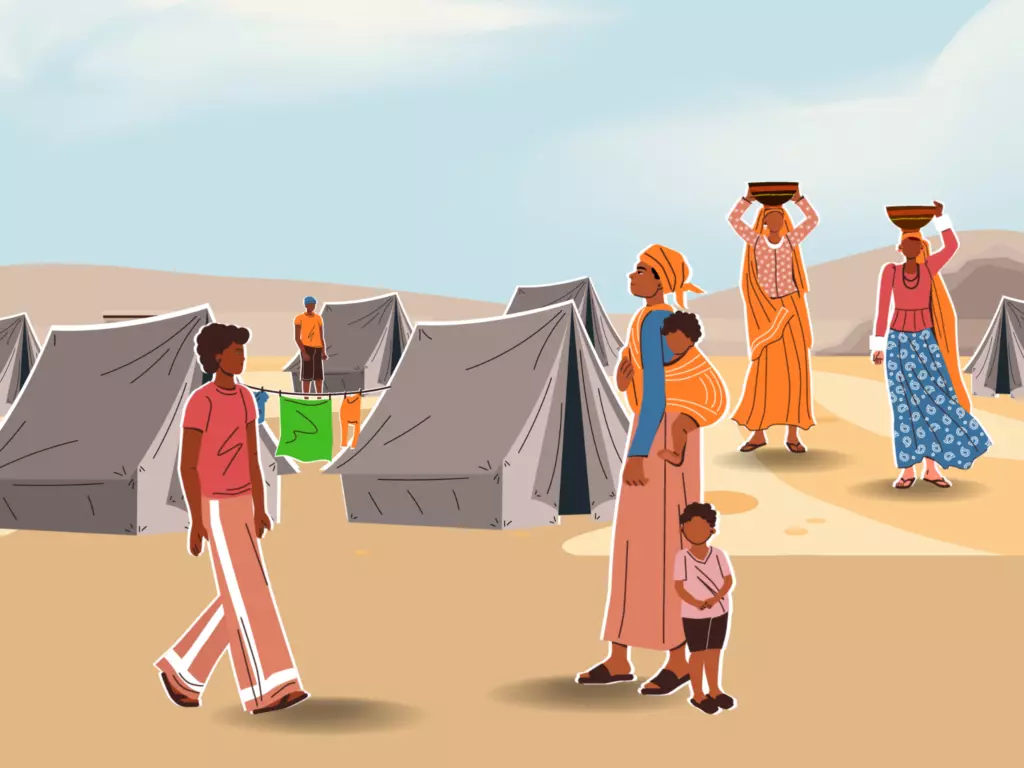
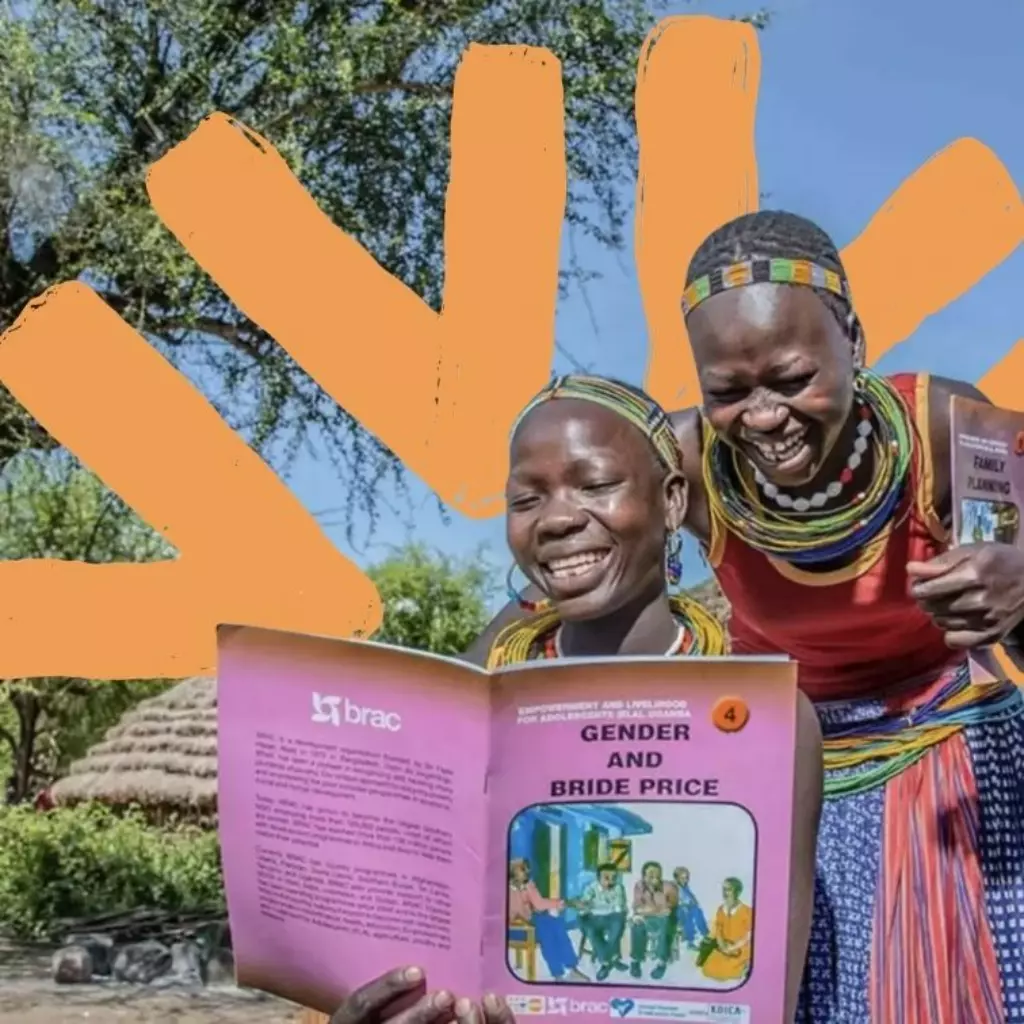
Implemented in conflict-affected communities, refugee camps, and displaced populations to address the drivers of violence against adolescent girls in humanitarian settings.
A 10-week school-based program aimed at preventing childhood sexual violence by increasing awareness and teaching self-defense techniques.