Solutions

Butterfly Mailboxes

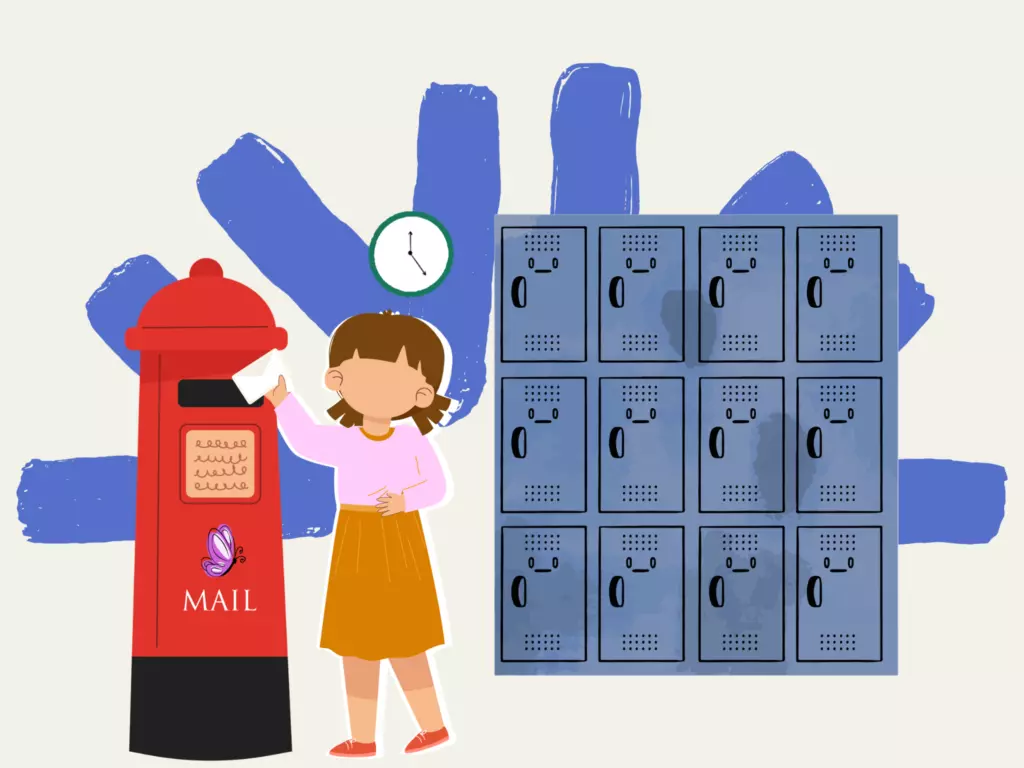
Survivor-led  practice-based knowledge drove the creation of a confidential disclosure mechanism for children. Designed to overcome the barriers children face in reporting abuse it has now expanded nationally and internationally.

This program is implemented by Les Papillons, France
Butterfly mailbox
1

Key themes

Victims and/or survivors often hold the clearest understanding of why systems fail to protect children, what prevents disclosure, and what support is most meaningful. When these insights are intentionally reflected on and acted upon, they can spark practical innovations such as child-friendly reporting mechanisms that transform prevention and response in real-world settings.

2

Context

Butterfly mailboxes 2

Children are invited to slip words and/or drawings expressing their distress into the mailboxes. Image credit: Marcelle Media

The Butterfly Mailbox initiative was launched in France in response to the need for more accessible, private, and effective disclosure channels for children. Founded by Laurent Boyet, a police officer and survivor of child sexual violence - and combined with his observations of children’s difficulty reporting abuse - the Butterfly Mailbox places confidentiality and accessibility at its core. 

In a society where fear of retaliation, disbelief, and stigma often silence children, this innovation responded to urgent gaps in child protection systems. 

3

From insight to action

What was learned from practice-based knowledge:

  • Fear of retaliation and stigma: Children’s fear of retaliation, not being believed, or exposure often prevents them from disclosing abuse.
  • Confidentiality and accessibility: Disclosure systems must be private, safe, and accessible to children, especially those without supportive adults.
  • Systemic gaps in reporting mechanisms: Many reporting mechanisms were not designed with children’s emotional needs in mind, making them difficult to navigate. 

These insights informed the creation of Les Boîtes aux lettres Papillons (Butterfly Mailboxes). Children can write and submit anonymous letters about all forms of abuse or childhood sexual violence. Letters are collected by local authorities and reviewed by psychologists, who assess risks and forward cases for further investigation. 

Listening directly to the people we want to protect was the key element. ”

Mayor of Saint-Clément, France
4

Real world impact

What changed: 

  • Individual cases of justice: On the very first day a mailbox was installed in a school in eastern France in 2022, a 10-year-old girl disclosed abuse by her grandfather. An investigation revealed ongoing intra-familial abuse of three children. Within months, the perpetrator was convicted and sentenced to 12 years in prison.
  • Broader adoption: In its first year, more than 30,000 messages were submitted across France. The initiative has since expanded to Germany, and schools in both countries continue to adopt the system.
  • Growing recognition: The Butterfly Mailboxes have been widely acknowledged as a simple but powerful survivor-informed, practitioner-led service that brings hidden harms to light. 

What didn’t change: 

  • Adult and institutional response: While more children are disclosing, Boyet notes that adults and institutions often remain slow or hesitant to listen and act effectively. Without cultural and systemic shifts in how disclosures are handled, children’s voices risk going unheard. 


Why this matters: The value of practice-based knowledge

Boyet’s initiative turned a personal understanding of the difficulties children face into a solution that addresses systemic gaps in reporting abuse. This initiative highlights how lived expertise can directly inform the creation of practical solutions for child protection and inspire similar solutions in other contexts. Even in the face of institutional resistance, this system offers a model for others working in child safeguarding. 

5

If you're working in a similar context

The Butterfly Mailboxes highlight how lived expertise can identify hidden barriers and inspire practical innovations. As you reflect on your own context, consider: 

  • Hidden barriers: What prevents children in your setting from disclosing abuse — fear, stigma, lack of trust, or inaccessible reporting mechanisms?
  • Designing with insight: How can insights from survivors or children themselves shape safer, more child-friendly ways to report harm?
  • From knowledge to systems change: What risks exist if disclosure mechanisms are created but institutions fail to respond? How can PbK highlight not just children’s voices but also systemic failures in listening and acting?
  • Adapting innovations: If a similar idea were implemented in your community, what cultural, logistical, or institutional factors would need to be considered for it to work? 
6

Sources

Last updated: 05 February 2026