Positive shifts in parenting practices
Parents shifted from using violent discipline to open, trust-based communication with their children. Comfort in discussing CSV with parents rose from 69% to 90%.
The KUWAZA III project created and implemented a culturally relevant, locally driven toolkit that empowered communities to take action, showing how practice-based knowledge can drive contextually relevant solutions in a setting with limited formal evidence on childhood sexual violence prevention.
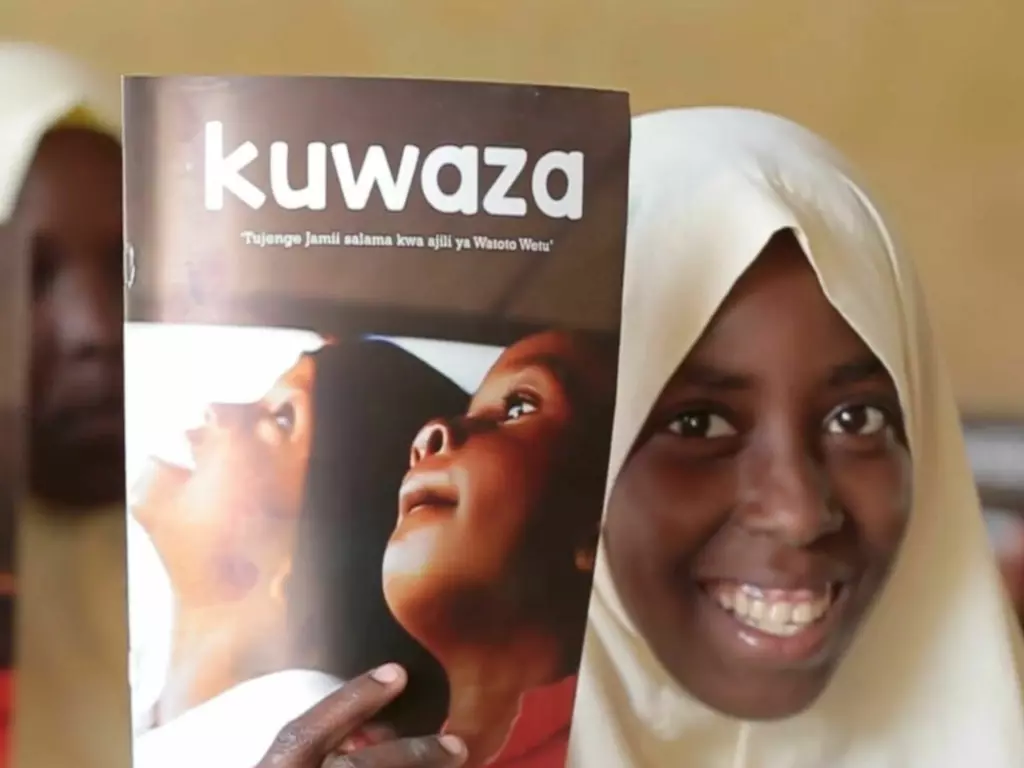
Image credit: ActionAid Tanzania
What these case studies show
These case studies illustrate how practice-based knowledge (PbK) is used in real world settings to improve childhood sexual violence prevention and response. Each case focuses on what practitioners or survivor-led groups learned through action, reflection, and decision-making in their own contexts, and how that knowledge was taken forward.
What these case studies do and do not do
The case studies do not aim to produce generalisable findings. Instead, they offer context-specific insight into how practice unfolds, where challenges emerge, and how actors respond in real time. The absence of evaluation or impact data should not be interpreted as evidence for or against effectiveness.
How to use these insights in your own work
These case studies are intended to support reflection rather than replication. Readers may find them useful for:
Ethical use and limitations
Documenting and sharing PbK requires careful attention to safety, consent, power, and potential harm, particularly when engaging with sensitive experiences of child sexual violence. The ethical principles guiding this work are set out in the PbK Guidance Framework
Scope and limits of the knowledge shared
Each case study reflects the type and depth of knowledge available within its context. Differences in format, detail, and focus reflect variation in purpose, access, and the conditions under which knowledge was documented and shared.
Content warning
Some of the case studies include details of childhood sexual violence. Each case study includes specific content notes to support informed engagement. Please take care of your well-being as you read and step away if needed. For additional support, you may find it helpful to consult the following resources:
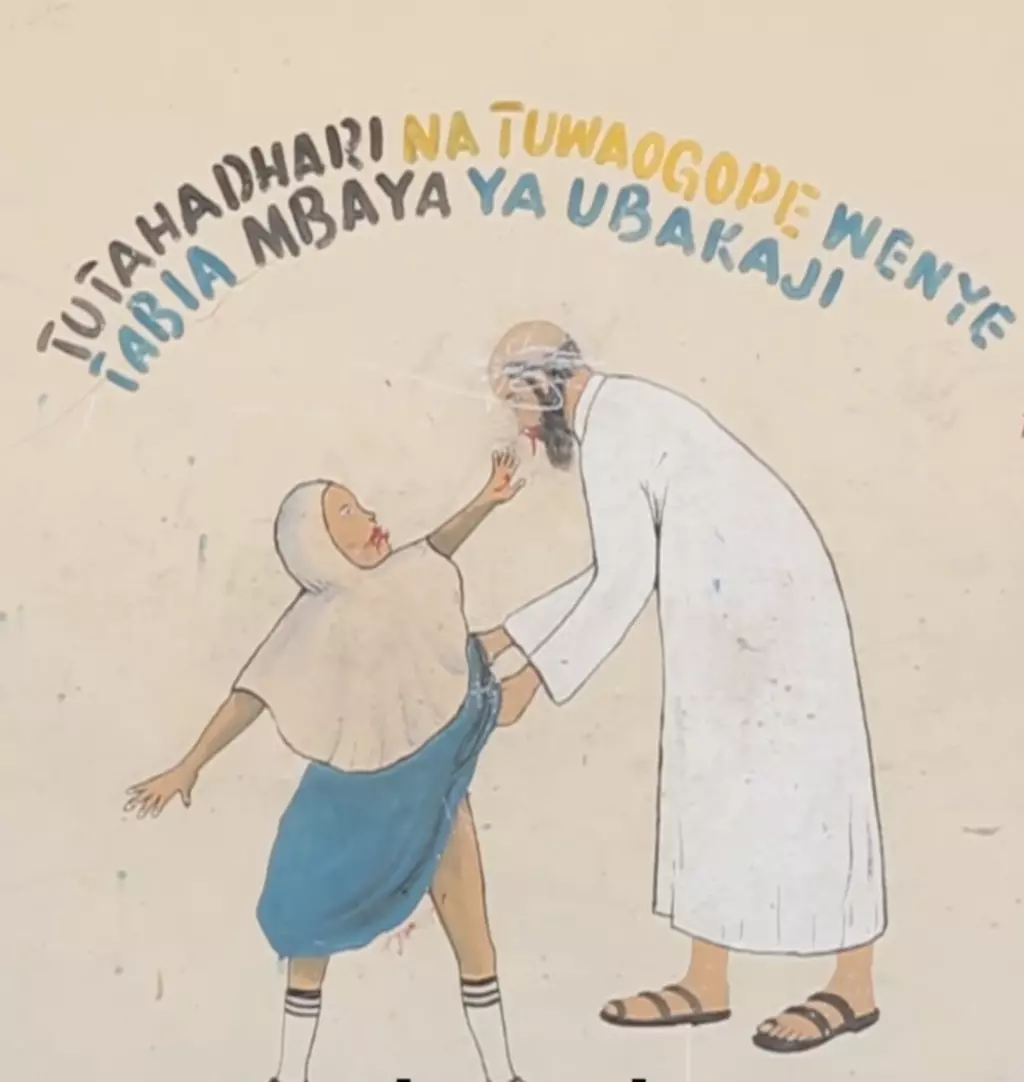
KUWAZA disseminates messages to children via drawings, songs and drama plays to empower them against sexual violence. Image credit: ActionAid Tanzania
The KUWAZA project has evolved over a decade as a multi-phase initiative to prevent violence against children. Its third phase (2021–2024) focused specifically on preventing childhood sexual violence among children aged 7-14 using a prevention toolkit.
The KUWAZA III project was implemented in Unguja North, Zanzibar, where rates of childhood sexual violence, as per the 2009 Tanzanian Violence Against Children and Youth Survey (VACS), are high: 6.2% of girls and 9.3% of boys experienced sexual violence before the age of 18.
Despite the scale of the problem, frontline practitioners noted that reporting was low and resources were limited. Formal evidence was often unavailable or difficult to apply because of cultural barriers, logistical challenges, and weak infrastructure. In response, Pathfinder International, ActionAid Tanzania, and C-Sema drew on years of practice-based knowledge working directly with children, caregivers, and community leaders to co-develop a childhood sexual violence prevention toolkit rooted in the local context and culture.
In this context, faith-linked institutions such as Madrassas and the involvement of religious leaders played a critical role, as they are central to everyday life in Zanzibar and hold significant moral authority within families and communities.
 (reporting on a previous KUWAZA project prior to Kuwaza III)](https://i.ytimg.com/vi/ZAFN-nvb1iE/hqdefault.jpg)
"Prevention of violence against children in Zanzibar", 2020 by ActionAid Tanzania (reporting on a previous KUWAZA project prior to Kuwaza III)
KUWAZA co-developed a culturally grounded prevention training toolkit for children, caregivers, teachers, and religious/community leaders. It integrated lessons from community engagement and was tested and adapted through ongoing feedback.
The project trained community members to deliver curriculum-based sessions with children, their caregivers and teachers, and community and religious leaders. The sessions aimed to:
“ Now, parents are more attentive and willing to discuss these matters with their children. ”
Social Welfare Officer, North Unguja
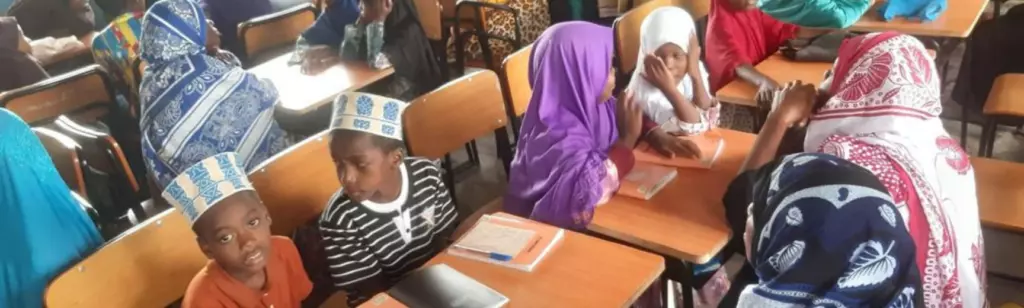
Parents and children during one of KUWAZA's SVAC prevention lessons. Image credit: C-Sema, Tanzania
Sources of practice-based knowledge
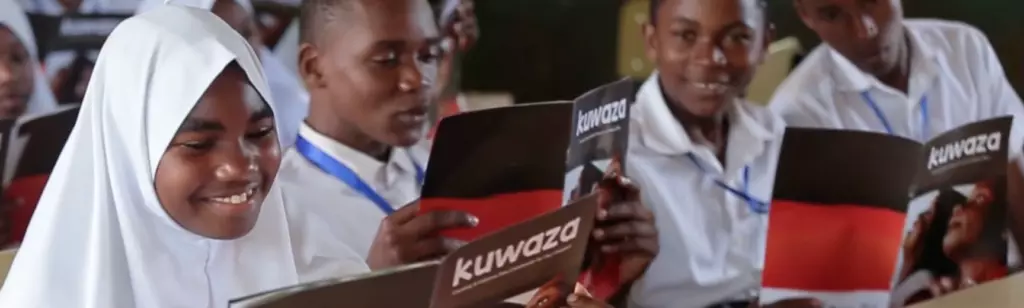
Image credit: ActionAid Tanzania
Participant reflections, and project endline evaluation using surveys and focus group discussions with caregivers and children revealed:
Parents shifted from using violent discipline to open, trust-based communication with their children. Comfort in discussing CSV with parents rose from 69% to 90%.
Both boys (79% to 97%) and girls (76% to 94%) reported greater confidence in disclosing CSV, with more children willing to report incidents beyond their families.
Children gained skills to recognise grooming behaviours and report them
*One child, for example, refused a ride from a stranger and immediately alerted a teacher and parent. Another child felt uncertain when an unfamiliar adult attempted to give money to the child. Remembering the guidance from the sessions, the child chose to seek help from trusted adults.Community leaders, Madrassa teachers, and parents trained through KUWAZA began to implement action plans and shared their knowledge with others, creating a ripple effect of prevention actions.
*For instance, six Madrassas implemented child protection measures using local resources.The toolkit is currently being rolled out in another region in Zanzibar, with implementation expected to run from November 2025 to March 2026. Additionally, KUWAZA III partners are engaging other stakeholders and calling on implementing, development, and funding partners to collaborate to implement the intervention across Zanzibar and potentially beyond.
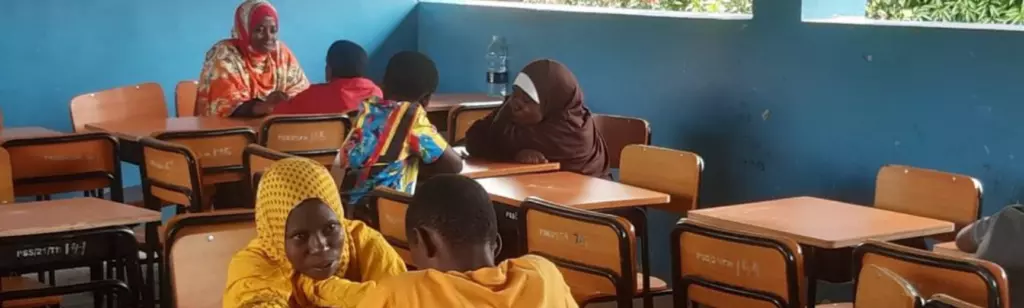
Parents and their children having one on one conversations during one of the training sessions. Image credit: C-Sema, Tanzania
“ In the past before we received training on sexual violence, we could not speak with our children on the topic as we considered it a taboo. Likewise, our children could not dare to speak to us on sexual violence because they feared to be punished. But currently, we can speak to our children, and they are also becoming free to tell us their challenges. ”
Parent who attended the training
KUWAZA demonstrates the critical role of practice-based knowledge in contexts with limited formal research. It highlights that those closest to the issue, including community members, practitioners, and local leaders, often possess valuable insights into what works. It shows how practice-based knowledge can surface the critical role of faith-linked institutions and leaders as entry points for prevention in contexts where formal systems have limited reach and where moral authority strongly shapes community norms.
By drawing on these insights, the project implemented a prevention strategy that was relevant, sustainable, and deeply rooted in local realities.
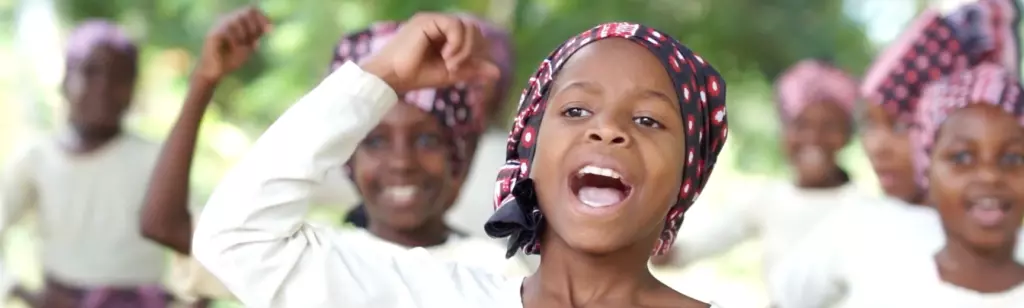
Girls engaging with KUWAZA program through dance. Image credit: ActionAid Tanzania
The KUWAZA experience highlights practice-based insights that may prompt reflection in other settings. These are not models to copy, but questions to consider in your own context:
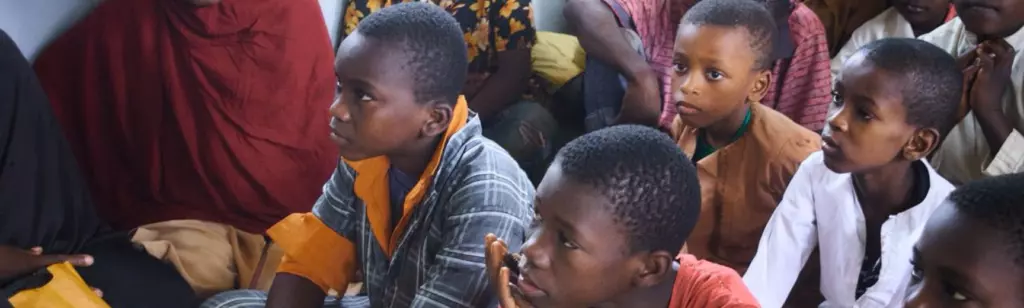
Children during the Madrassa SVAC prevention training. Image credit: C-Sema, Tanzania
[1] C-Sema. (2023). Annual report 2023. https://www.sematanzania.org/_files/ugd/e2823d_3659cc028d7c4b16883edc7e70e45370.pdf
[2] C-Sema. (2024, August 21). KUWAZA III consortium members launch project’s endline evaluation report in Zanzibar. https://www.sematanzania.org/post/kuwaza-iii-consortium-members-launch-project-s-end-line-evaluation-report-in-zanzibar
[3] C-Sema, Pathfinder International, & ActionAid Tanzania. (2025). How community members and leaders have bought into change on harmful practices like child marriage and child sexual abuse prevention in Zanzibar [Internal communication]. Prepared by KUWAZA Communications Team.
[4] C-Sema, Pathfinder International, & ActionAid Tanzania. (2025). KUWAZA project inspiring community-led change [Internal communication]. Prepared by KUWAZA Communications Team.
[4] ECPAT International. (2022). Annual report: July 2021 – June 2022. https://ecpat.org/wp-content/uploads/2022/12/Annual-Report_2021-2022_final.pdf
[5] Kirabo Suubi, K., Kangere, M., & Izugbara, C. (2024). Improving the prevention of and response to sexual violence against children (SVAC) in Zanzibar, Tanzania: Endline evaluation report for the implementation of KUWAZA III Project. International Centre for Research on Women.
[6] Tibyehabwa, L., Mchau, E. J., & Boudreau, C. (2024, October 23). Preventing sexual violence against children in Zanzibar: The development of the SVAC prevention toolkit and the Plan2Prevent roadmap. [Conference presentation]. SVRI Forum.
[7] UNICEF, Center for Disease Control and Prevention (U.S.), Muhimbili University of Health and Allied Sciences, & National Center for Injury Prevention and Control (U.S.), Division of Violence Prevention. (2011, August). Violence against children in Tanzania. https://stacks.cdc.gov/view/cdc/21859
Knowledge contributors: KUWAZA partners (Pathfinder International, C-Sema, and ActionAid Tanzania).
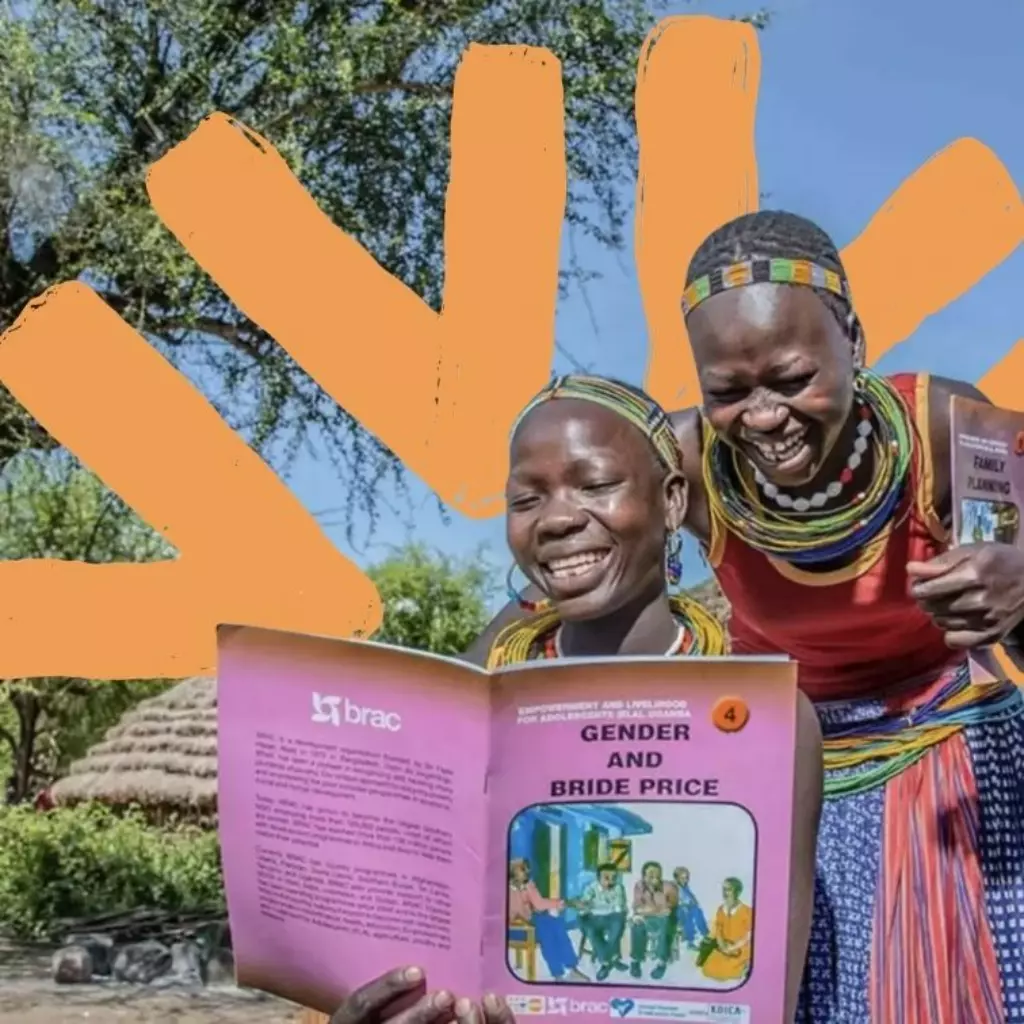
Do you have a experience with the programs on this website, or any other interventions that aim to address or reduce childhood sexual violence?
Whether you're a advocate, activist, implementer or a participant of a program, we'd love to hear from you!