92% of children
reached a high level of knowledge for preventing sexual violence.
This program improved knowledge and skills for preventing sexual violence among 5th-grade students, parents and caregivers, and strengthened emotional expression, body awareness, and self-esteem in children.
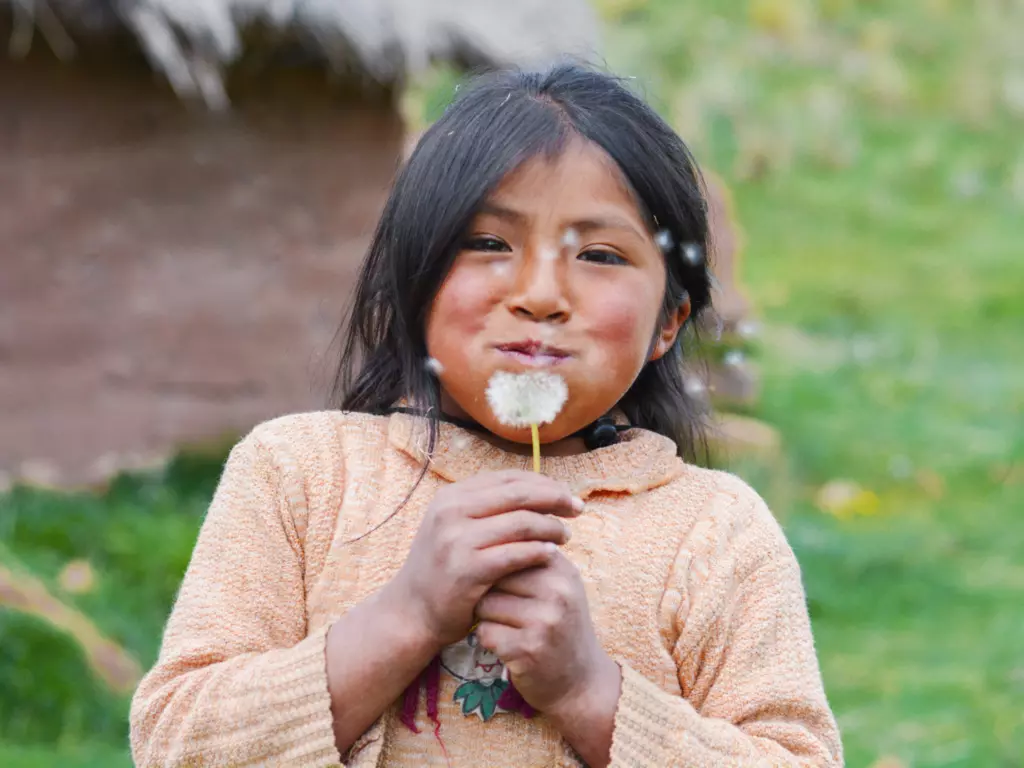
Integrating guided modules on preventing childhood sexual violence into school curricula has led to positive results in multiple countries and at all schooling levels from pre-school to high school. Sessions typically involve peer learning, role-play, critical reflection, and other interactive strategies. Content on preventing childhood sexual violence may be embedded into different types of programs or approaches in schools.
Effectiveness of intervention type |
Effective |
|
INSPIRE Pillar |
Education and life skills |
|
Evidence type |
Quasi-experimental study |
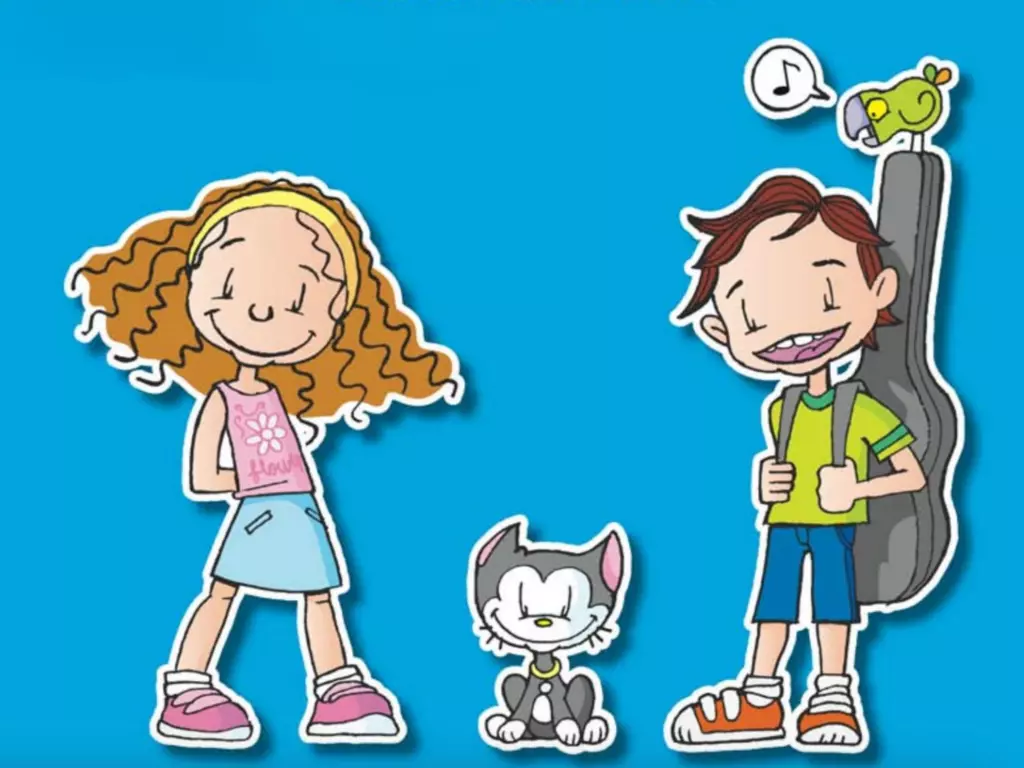
Photo credit: Ministerio de Educación de Chile & UNICEF (2012).
According to the 2024 National Survey on Social Relations of Perú (ENARES), 2.4% of women aged 18 and over were victims of sexual violence by a partner or ex-partner, while among adolescent girls (12–17 years old), the prevalence of sexual violence reached 22.4%. The results indicate that 15.2% of adolescent victims of sexual violence were assaulted when they were under 12 years old. The most common acts were sexual comments, jokes, or private messages, staring at intimate parts, and unwanted touching.
The data also shows that violence is frequent in school environments and disproportionately affects girls: 48.9% of adolescent girls (12–17 years old) experienced psychological, physical, or sexual violence from a peer or a student from another school, compared to 42.8% of boys in the same age group.
The findings also reveal alarming levels of normalization of sexual violence, with a high percentage of approval of sexist attitudes (71.3%) and sexist beliefs (87.4%). Additionally, 56.5% of men aged 18 and over justify sexual assault against women [1].
Furthermore, a study by the Public Ministry of Perú reveals that 37.7% of people who experienced forced sex before age 14 reported emotional harm, 8% suffered physical injuries, 1.4% contracted a sexually transmitted infection, and 12% experienced pregnancies [2].
Mi Sol is an educational program to prevent childhood sexual violence in school settings [6]. The program was also adapted and implemented in the cities of Juliaca and Puno in Perú. It consisted of six to ten sessions for children aged 10–11 and two to three sessions for parents. Each session lasted between 45 and 90 minutes, using a participatory methodology and hands-on workshops [3,4].
The program consists of two components [3,6]:
Sessions for parents and caregivers. These sessions promoted active family participation in the prevention of child sexual violence. Topics covered include family involvement in intervention processes, the preventive role of the family environment, and the consequences of childhood sexual violence. After delivering a presentation, teachers guided parents through group discussions to deepen their understanding and promote shared reflection on these issues.

Implementers of the project, Oscar, Rosmery and Ada, are pictured. Photo credit: Oscar Mamani-Benito.
The researchers evaluated Mi Sol through a quasi-experimental study involving 49 primary school children in Puno (Sept to Dec 2018) and 48 primary school children in Juliaca (May-June 2019). The evaluations included a pretest, the intervention, and a post-test. To measure students’ knowledge and skills for preventing sexual violence, researchers used a questionnaire developed in a similar study [5]. Prevention knowledge was tested with questions related to awareness, understanding, and recognizing sexual violence, children's rights, and boundaries. Skills items focus on action, decision-making, and practical responses to violence or coercion [5]. The researchers obtained authorization from the school, informed consent from parents or guardians, and assent from the children.
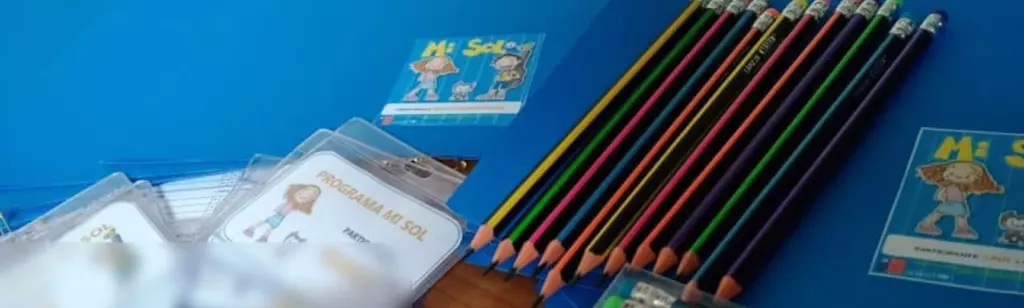
Mi Sol evaluations included a pretest, the intervention, and a post-test. Photo credit: Oscar Mamani-Benito.
Results indicate that participation in the program led to a significant improvement in children’s knowledge and skills for preventing sexual violence in the experimental group while there were no significant changes in the control group.
reached a high level of knowledge for preventing sexual violence.
Among the children who participated in the program, knowledge about childhood sexual violence improved significantly: the average score rose from 22.9 before the program to 28.3 after. Scores in the control group remained nearly the same.
Similar patterns were observed in the prevention skills indicator within the experimental group, whose average scores rose from 19.1 to 22.1.
within the experimental group in the prevention skills indicator.
showed a high level of knowledge on prevention skills after the intervention was implemented. Before the program was implemented it was 71.4%.
*[3]in children's knowledge about childhood sexual violence after participation in the program.
The results demonstrated that the program significantly improved students’ knowledge and skills related to sexual violence prevention, helping protect and alert them to future danger. Moreover, the Mi Sol program in Perú shows that a childhood sexual violence education program developed in one country can be successfully implemented in another with a similar context. This is a valuable and practical example of leveraging existing expertise to scale up evidence-based programming in a region.
This study's findings also encourage the scientific community to promote educational policy development to empower children in vulnerable situations.
[1] Instituto Nacional de Estadística e Informática. (2025). Informe de los principales resultados de la Encuesta Nacional sobre Relaciones Sociales 2024 (ENARES).
[2] Ministerio Público – Fiscalía de la Nación. (2024). Caracterización de la violación sexual de niñas, niños y adolescentes menores de 14 años: Enero–Junio 2023. https://core.ac.uk/reader/327998670
[3] Mamani-Benito, O., Pinto-Cahuapaza, J., Núñez-Vargas, J., Quispe Chañi, F., Mamani Ordoño, S., & Vargas Huamantuco, R. (2020). Eficacia del programa educativo “Mi sol” para la prevención del abuso sexual infantil en menores de edad de la ciudad de Juliaca, Perú. Apuntes Universitarios, 10(2), Abril–Junio. https://doi.org/10.17162/au.v10i2.452
[4] Álvarez‑Apaza, R. A., Machaca‑Mamani, A. J., & Mamani‑Benito, O. J. (2019). Eficacia de un programa psicoeducativo para prevenir el abuso sexual en menores de educación primaria. CASUS, 4(2), 54–61. https://doi.org/10.35626/casus.2.2019.162
[5] Del Campo Sánchez, A., & López Sánchez, F. (2006). Evaluación de un programa de prevención de abusos sexuales a menores en Educación Primaria. Psicothema, 18(1), 1–8.
[6] Ministerio de Educación de Chile & UNICEF. (2012). Orientaciones para la prevención del abuso sexual infantil desde la comunidad educativa. Ministerio de Educación; UNICEF.
Special thanks to Oscar J. Mamani-Benito, research professor at Señor de Sipán University, for co-designing this case study. For more information about this case study, please contact the author at the following email address: mamanibe@uss.edu.pe.
Do you have a experience with the programs on this website, or any other interventions that aim to address or reduce childhood sexual violence?
Whether you're a advocate, activist, implementer or a participant of a program, we'd love to hear from you!