Safe Futures Hub impact report
This report synthesizes the Safe Futures Hub's impact by making evidence- and practice-based knowledge more accessible and informing programmes, policy, research and advocacy to create a safer future for every child.
Check out Safe Futures Hub resources from across our partnership, including academic briefs, journal articles, and fact sheets.

This report synthesizes the Safe Futures Hub's impact by making evidence- and practice-based knowledge more accessible and informing programmes, policy, research and advocacy to create a safer future for every child.
The Global Threat Assessment brings together the latest data, evidence and analysis on the scale and sophistication of technology-facilitated child sexual exploitation and abuse from a global perspective.
The Practice-based Knowledge Guidance Framework is a comprehensive guide designed for those working in childhood sexual violence prevention and response.
This report finds that HSB prevention efforts often start too late and are undermined by systemic failures and provides a clear path forward toward a holistic, rights-based approach grounded in prevention.

The Shared Research Agenda on Child Sexual Violence for Low-and Middle-Income Countries is a set of research priority recommendations for addressing the global problem of CSV, with a focus on environments with limited resources.

“Building Safe Futures: Solutions to end childhood sexual violence” is a comprehensive evidence review highlighting what works to prevent and respond to childhood sexual violence in low- and middle-income countries.

This systematic literature review identified 33 studies that provided findings for co-occurring IPV and VAC in 24 low- and middle-income countries.

This qualitative study on violence against children was conducted to examine the shifts in children’s experiences of violence in Kenya.

This study conducts a multi-country, gender-stratified analysis of the relationship between age at first incident of physical violence and outcomes of well-being in Sub-Saharan Africa.

This study explores the experiences of 18 to 20-year-olds to understand their experiences of and exposure to online sexual harm during childhood.

This report assesses the scale and scope of child sexual exploitation and abuse online, to transform the response.

The review provides the foundation for a collaborative CSV research priority-setting process by identifying critical research gaps in the field and grouping them into domains under which research questions can be generated.
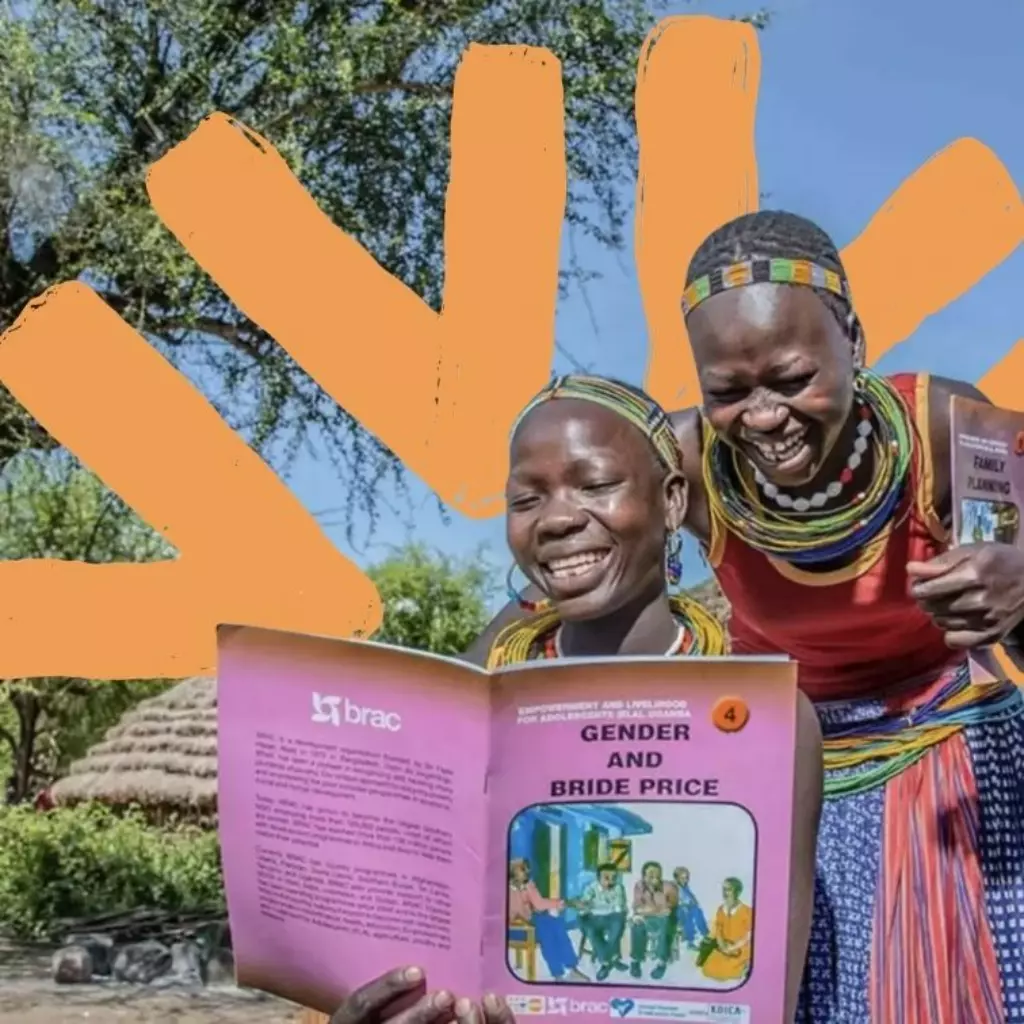
Do you have a experience with the programs on this website, or any other interventions that aim to address or reduce childhood sexual violence?
Whether you're a advocate, activist, implementer or a participant of a program, we'd love to hear from you!