80% decrease in the number of sexual assaults
experienced by girls who participated in the program compared to the control group.
The No Means No program equips youth with practical skills that can be used to prevent sexual assault and navigate everyday risks in online and offline situations.
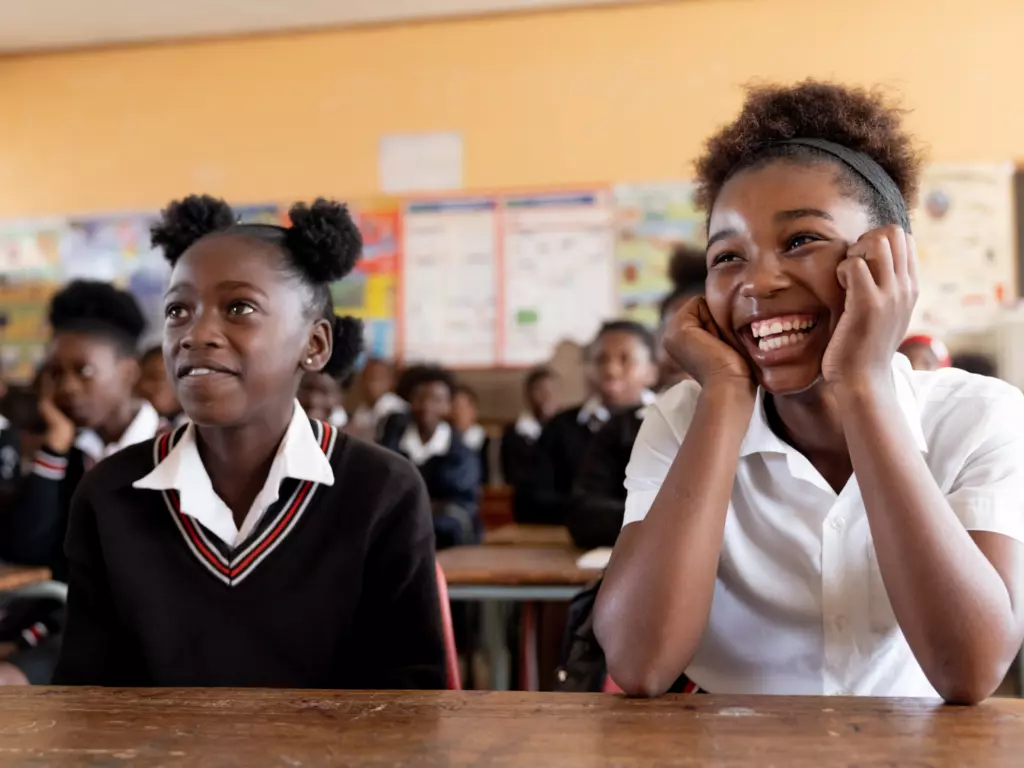
Program participants in South Africa. Photo credit: No Means No Worldwide.
INSPIRE pillar |
Education and life skills |
|
Effectiveness of intervention type |
Effective |
|
Evidence type |
Randomized control trial |
Sexual violence against girls and young women is a major human rights and public health issue, impacting 1 in 5 girls before their 18th birthday globally [1]. Education and Life Skills is a key strategy within INSPIRE: Seven Strategies to End Violence Against Children, equipping children and adolescents with knowledge, socio-emotional and life skills and ensuring schools are safe places to learn [2].
Although adults and systems are responsible for ensuring children are safe through the other six strategies: implementation and enforcement of laws, norms and values, safe environments, parent and caregiver support, income and economic strengthening, and response and support services, education and life skills ensure that, where systems fail and people engage in harmful behaviors, young people know what to do. To date, limited research exists on solutions to prevent sexual violence against traditionally marginalized girls and young women, particularly indigenous populations, children living with disabilities, and youth in conflict settings.

No Means No Worldwide: Violence is not inevitable. Credit: No Means No Worldwide.
No Means No is one of the few evidence-based programs that has shown effectiveness across multiple settings and shows promise in several others through adaptations that are informed by practitioner experience, including a 90-minute session to respond to increasing resource constraints after global development aid contracted in 2025 and digital self-defense. The program has also been delivered through faith-community settings, offering lessons on working with established community structures and influential leaders.
The No Means No methodology, which was initially developed and researched by No Means No Worldwide and Ujamaa Africa, has now been implemented by more than 100 organizations and governments globally. The model is designed to equip youth with practical skills that can be used to prevent sexual assault.
Typically taught to youth ages 10-20 as a 10-hour intervention, core concepts help youth navigate everyday risks in online and offline situations, including: grooming and coercion, consent and boundaries, responding to harassment and online sextortion, navigating harmful pornography, how to seek help, and mental health resilience. Through practical and interactive activities grounded in Empowerment Self-Defense—a holistic, survivor-centered, feminist approach that combines mental, verbal, and physical strategies—youth participants build essential knowledge, develop empowering attitudes and beliefs, and practice verbal and physical self-defense strategies. They also learn ways to safely disclose abuse and access local support services as needed.
The No Means No program has been independently evaluated in multiple settings through randomized control trials and quasi-experimental studies.
Independent researchers at the University of Nebraska evaluated the No Means No program among American Indian girls ages 12-18 in the Great Plains region of the United States using a quasi-experimental design. American Indian girls and young women are known to experience disproportionate rates of sexual violence compared to other youth in the United States [3] and to experience significant harms as a result of violence [4].
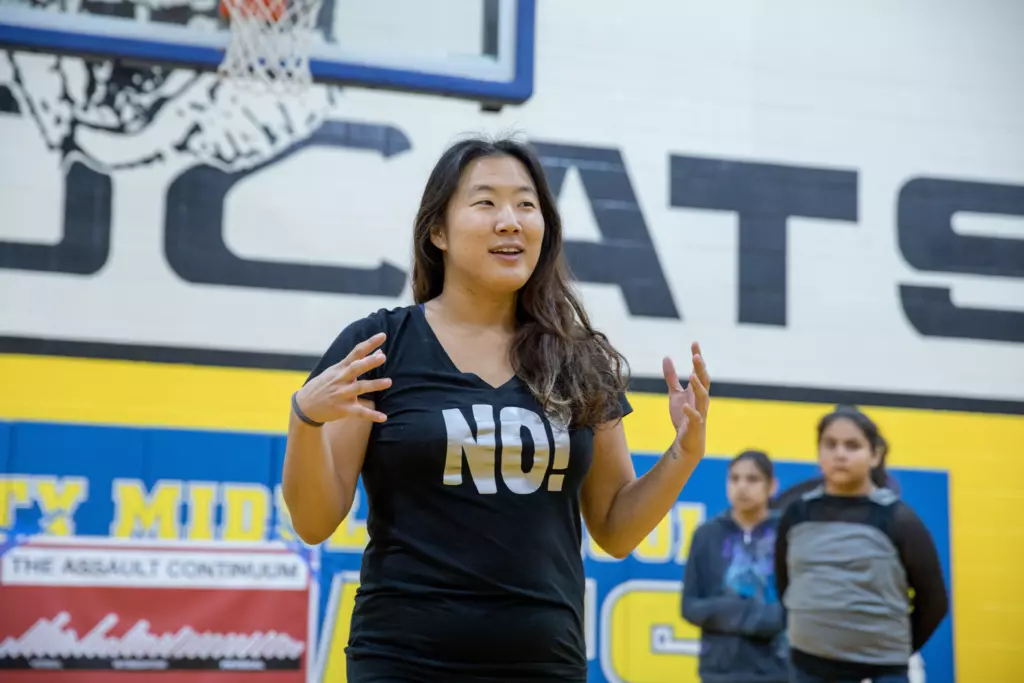
No Means No program being implemented at an American Indian Community in the United States. Photo credit: No Means No Worldwide.
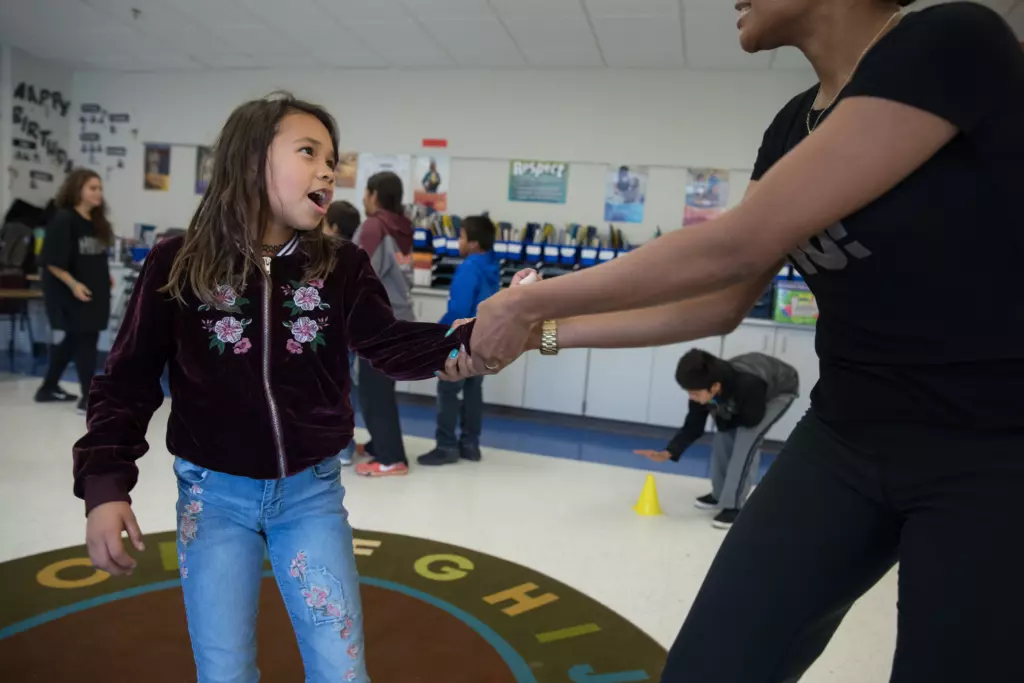
No Means No program being implemented at an American Indian Community in the United States. Photo credit: No Means No Worldwide.
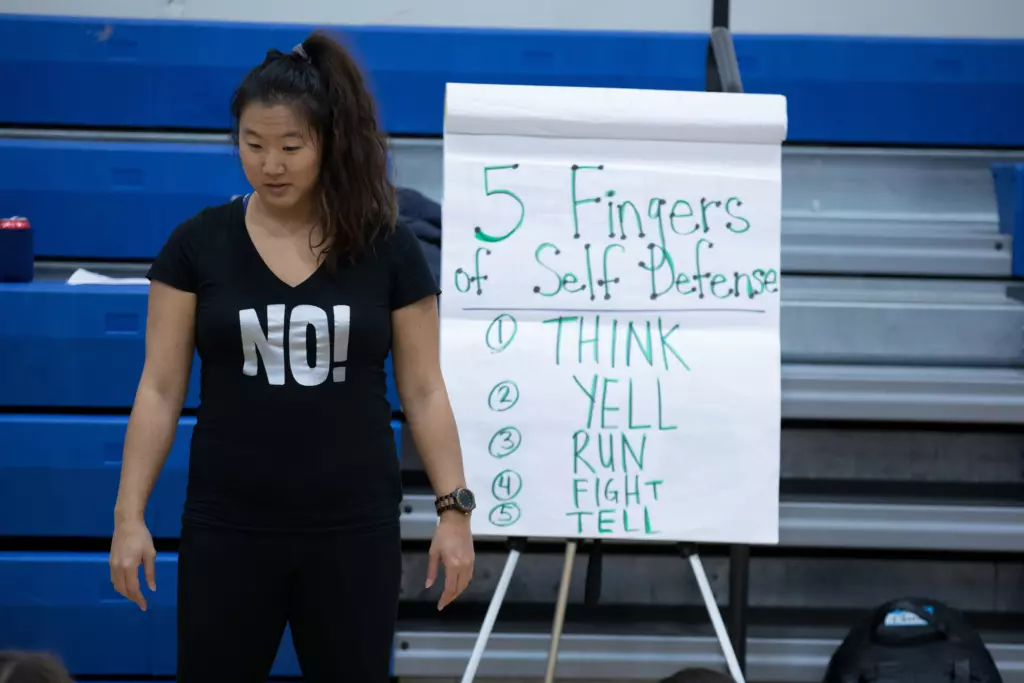
No Means No program being implemented at an American Indian Community in the United States. Photo credit: No Means No Worldwide.
The program group consisted of 74 girls living on an American Indian reservation attending one middle school and one high school, and the comparison group included 181 American Indian girls living outside the reservation in the same state who attended five middle schools and three high schools.
Adaptations made to the No Means No program in collaboration with community members included incorporating the local language and using contextually relevant scenarios.
Pre-and post-program surveys showed:
experienced by girls who participated in the program compared to the control group.
among girls who participated in the program, compared to those who did not.
shown by girls in the program.
*5in those who received the program and those who did not.
In Malawi, the IMpower program – the curriculum No Means No was derived from – was implemented by local partner Ujamaa Pamodzi through the UNICEF Safe Schools Program in designated high-needs settings, including Lilongwe, Dedza, and Salima in 2015-2016. Independent researchers at Johns Hopkins University conducted a cluster-randomized controlled trial, randomly selecting primary and secondary schools as intervention or control sites. Within schools selected for the intervention, 60-100 girls were randomly selected to participate. Girls in the control group received the standard Ministry of Education 2-hour life skills, sexuality and health curriculum.
among participating students, while there was no change in the control group.
significantly from nearly 20 incidents down to 16 incidents per 1000 students over a 3-month period. In the control group, the number of incidents increased.
among participants and did not increase significantly in the control group.
and from 68.2% to 74.8% in the control group.
among participating primary school students, while the distribution of assaults by other perpetrators did not change.
including verbal skills (49% of girls), physical skills (13%), and both verbal and physical skills (38%).
following the training.
following the training.
in both the participant and control groups [6].
*6Researchers from RTI International, Karolinska Institutet, and No Means No South Africa (NMNSA) conducted a cluster-randomized controlled trial to evaluate the No Means No program in Gqeberha, South Africa, among girls and boys ages 10-19. Thirteen primary and secondary schools were randomized to receive the intervention for girls only, or for both girls and boys, or to be a part of the control group.
The trial's mixed-methods design included a qualitative sub-study that offers additional context. Preliminary results suggest the intervention had positive effects not captured by the primary quantitative outcome.
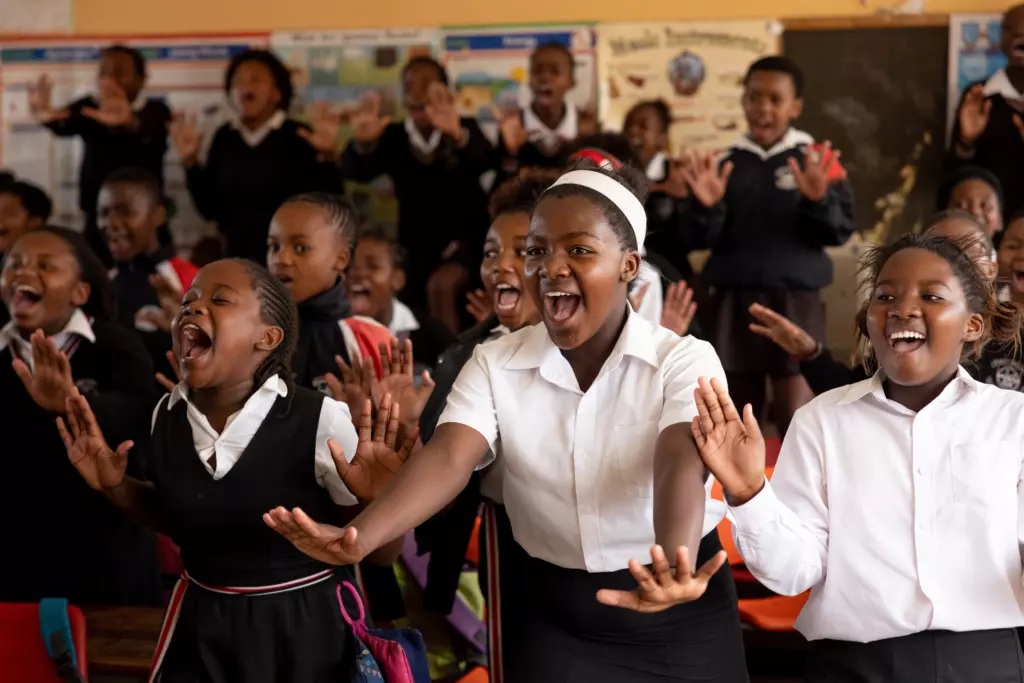
No Means No participants in South Africa. Photo credit: No Means No Worldwide.
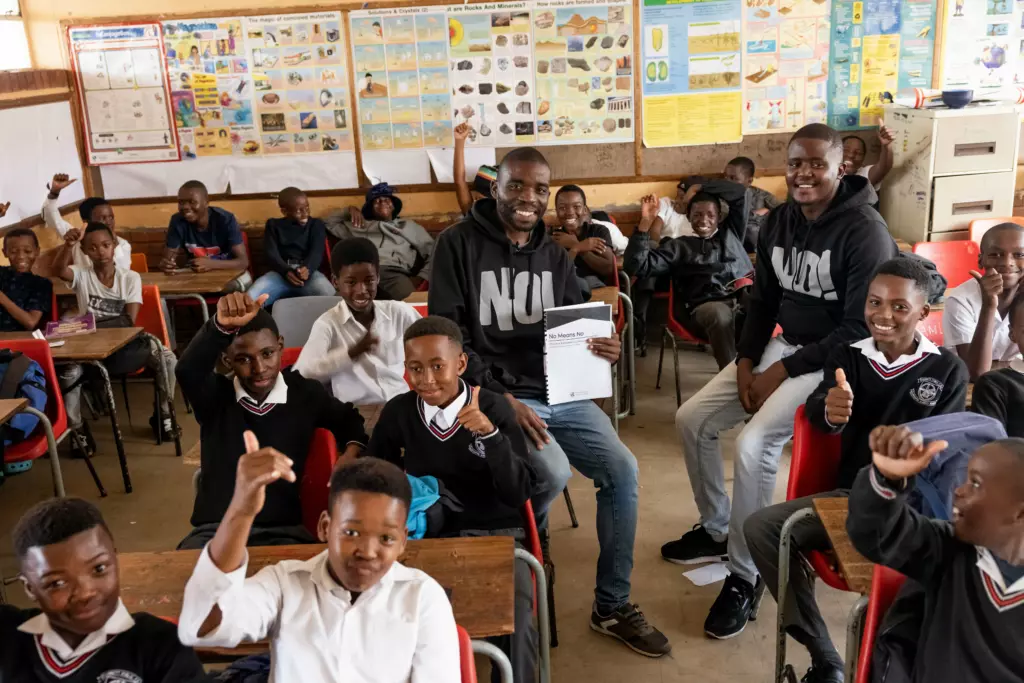
No Means No participants in South Africa. Photo credit: No Means No Worldwide.
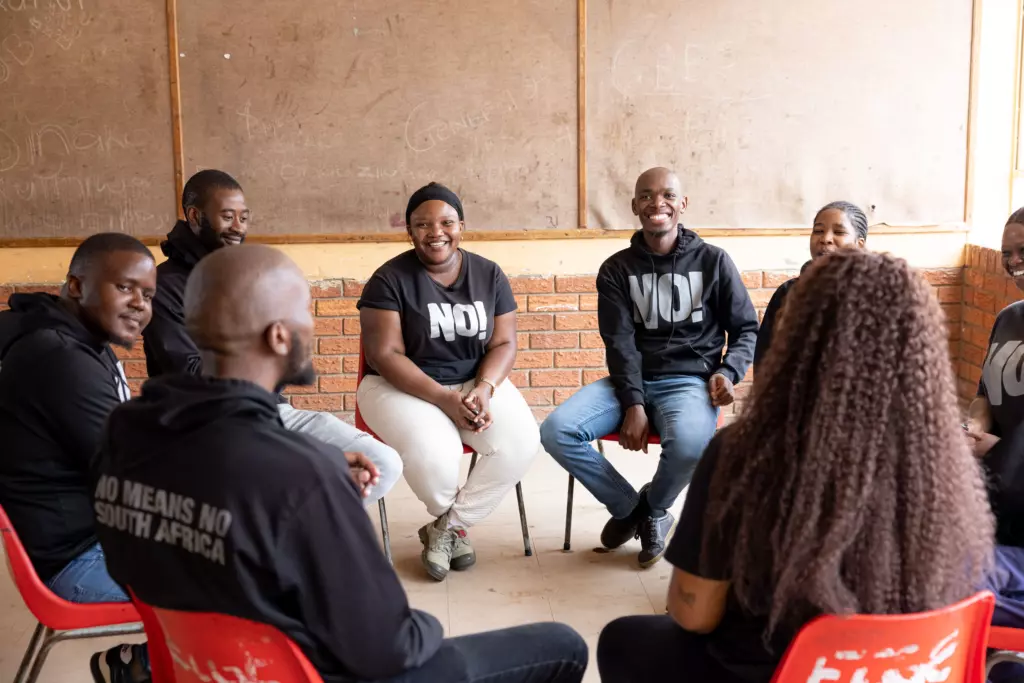
No Means No being implemented in South Africa. Photo credit: No Means No Worldwide.
contributing to a sense of confidence and safety.
gained through the program.
which provided psychological relief in a context where past disclosures had often been met with less care. Increased comfort disclosing violence, rather than increased incidence, may partly explain the apparent rise in reported sexual violence noted above.
Gained by girls
by sharing what they learned with peers and family members.
Broader gender norms and victim-blaming attitudes.
*10Expanded Church Response (ECR), a Christian faith-based NGO, works to complement government efforts to address gender-based violence and violence against children. These include Zambia's Ministry of Chiefs’ Gender Divisions that engage faith and traditional leaders to combat harmful norms driving gender-based violence, through information sharing and community dialogues.
In 2021, through PEPFAR's Faith and Communities Initiative (FCI), ECR convened faith leaders to expand HIV and violence prevention messaging, building faith community support for the No Means No program as aligned with broader goals of ending violence and oppression.
ECR did not need to make substantial changes to the curriculum itself, but adapted the delivery approach. They leveraged existing FCI relationships to secure venues, build community trust, and expand participant reach into church congregations. ECR worked with churches to support the roll-out of No Means No in the community through messaging such as posters and church announcements, helping build community acceptance and encourage participation. In communities where religious leadership carries significant influence, this approach meaningfully increased reach, and boys and girls from local congregations joined the No Means No sessions as a result. Opening prayers were also incorporated into community sessions, consistent with Zambia’s predominantly Christian context.
As elsewhere, girls learned self-defense skills focused on escaping an attacker, while boys learned to be positive bystanders.
Pre- and post-program surveys showed:

Voices from No Means No ECR Zambia. Credit: No Means No Worldwide
To ensure greater accessibility for people living with disabilities, implementing partners requested No Means No curriculum adaptations after identifying participants with mobility, visual, and auditory disabilities who couldn't fully engage with standard materials, recognizing that inclusive skills and delivery were essential for meaningful participation.
NMNW co-created a disability-inclusive curriculum with Light for the World (LFTW) and Girl Child Rights (GCR), piloting activities and gathering feedback through a two-day workshop with 28 government and NGO representatives.
Using the LFTW Resource Book for Disability Inclusion and a new No Means No Facilitator's Guide to Teaching People with Disabilities, NMNW trained 27 instructors and 5 trainers of trainers to recognize disability-related biases, use inclusive facilitation methods, and deliver the curriculum to participants of diverse abilities.
Adaptations included:
Focus groups and key informant interviews conducted in June 2026 in Sofala, Mozambique, found:
NMNW responded to partner requests for a condensed curriculum due to resource constraints and an inability to deliver full instructor trainings and an 8-12 hour program after the loss of USAID funding. This was built on an internal analysis of 144 girls’ testimonial videos on their use of program skills to prevent and mitigate attacks, which found that 86% of assaults were prevented using verbal skills.
NMNW developed and piloted an abridged No Means No curriculum in Kwa-Zulu Natal to expand access in resource-constrained settings. The “Worth Defending: No Means No Basics” 90-minute verbal and mental skills-only curriculum can be delivered by social workers or others after completing a short online training, eliminating the full instructor certification requirement.
The “Worth Defending” curriculum, designed for youth ages 9 to 20, focuses exclusively on mental and verbal skills to prevent sexual violence and does not teach physical skills.
NMNW and partner organizations are actively working to adapt the traditional evidence-based face-to-face program to modern societal norms for how young people seek information and education – from online and media-driven sources, using digitally-driven and media-forward programming to meet adolescents where they are. Increasingly, young people also need digital self-defense skills so they can navigate these channels safely and with confidence, free from the increasing harms of technology-facilitated sexual violence. NMNW partners across East and Southern Africa, West Africa, and Mexico have increasingly requested digital safety content for the No Means No curriculum.
A 2023 RCT on No Means No in Gqeberha, South Africa, found alarming rates of technology-facilitated sexual violence (TFSV): 43% of girls in secondary school had experienced TFSV in the past year, and those affected had nearly four times higher odds of depression or anxiety [10]. These findings mirror global trends and highlight an urgent, unmet need for digital safety programming.
To design the module, No Means No South Africa (NMNSA) surveyed 46 high school students (aged 16-18) in Gqeberha, using open-ended questions to explore their experiences with TFSV and their knowledge, attitudes, and learning needs.
The formative research found:
It also surfaced opportunities:
These findings shaped a one-hour digital self-defense module equipping girls to recognize online safety risks, identify types of TFSV, and prevent and respond to it. The module was integrated into the standard 10-hour No Means No curriculum.
NMNW and NMNSA piloted the module with 673 adolescents. Implementation challenges led to inconclusive pre-post results, and further evaluation ended when the NMNSA office closed.
Qualitative feedback from returning participants highlighted broader impacts of No Means No overall:
Since 2019, NMNW has partnered with more than 130 local organizations in 15 countries (currently working in Afghanistan, Bangladesh, Eswatini, Mozambique, Nigeria, South Africa, Uganda, and Zimbabwe) to provide over 1.5 million youth with critical skills to reduce their risk of sexual violence.
Results from >650,000 pre/post surveys administered from 2019-2025 showed girls had an 80% improvement in knowledge and 50% improvement in attitudes, and boys had a 147% change in knowledge and 69% improvement in attitudes after completing No Means No.
Program facilitators, parents, students, and educators consistently share stories of how the program has helped them stop abuse, seek help, and prevent harm to others:
“ The No Means No program has changed how I view myself. Now I know that I'm worth defending and I'm strong. ”
Female graduate
“ Being a man is not about beating up others; to be a man you have to be a good man. ”
Male participant
“ I learned some important skills in our 'No Means No' training, and yesterday, I used them. A neighbour tried to get me to go with him in his car, but I remembered to trust my feelings and use my voice. I stood up straight and said, 'NO! I am not coming!' He tried to grab me, so I stepped back and shouted 'STOP! I will call the police!' He left, and I ran to a safe place and called my mum. I am glad I took the training. It helped me stay safe. Thank you for teaching us, I feel more confident now! ”
12-year-old participant, APIN Nigeria
“ This program was well-received and has positively impacted the lives of boys and girls. There was positive behavior change among youth as noticed in reduced incidents of fighting, bullying, derogatory comments to girls, and respect for each other. ”
Zimbabwean Teacher
[1] Fang, X., Ren, J., Kang, J., Ligiéro, D., Fry, D., Annor, F. B., Burrows, S., Butchart, R. A., Diaz, K. J., Fang, Z., Fernandez, B., Finkelhor, D., Ginestra, C., Gong, X., Howard, A., Jin, W., Krzeczkowska, A., Kurdi, Z., Liu, J., ... Vermeulen, I. (2026). A systematic review of the global and regional estimates of the prevalence of sexual violence against children. Nature Human Behaviour. https://doi.org/10.1038/s41562-026-02436-1
[2] World Health Organization. (2016). INSPIRE: Seven strategies for ending violence against children. World Health Organization. https://www.who.int/publications/i/item/9789241565356
[3] Rutman S., Park A., Castor M., Taualii M., & Forquera R. (2008). Urban American Indian and Alaska Native youth: Youth Risk Behavior Survey 1997–2003. Maternal and Child Health Journal, 12(1), 76. https://doi-org.proxy1.library.jhu.edu/10.1007/s10995-008-0351-3
[4] Edwards K. M., Banyard V. L., Charge L. L., Kollar L. M. M., & Fortson B. (2021). Experiences and correlates of violence Among American Indian and Alaska Native youth: a brief report. Journal of Interpersonal Violence, 36(23–24), 11808–11821.
[5] Edwards, K. M., Siller, L., Wheeler, L. A., Charge, L. L., Charge, D. P. L., Bordeaux, S., Herrington, R., Hopfauf, S. L., & Simon, B. (2022). Effectiveness of a Sexual Assault Self-defense Program for American Indian Girls. Journal of Interpersonal Violence, 37(15–16), NP13245–NP13267. https://doi.org/10.1177/0886260521997942
[6] Decker, M.R., Wood, S.N., Ndinda, E. et al. (2018). Sexual violence among adolescent girls and young women in Malawi: A cluster-randomized controlled implementation trial of empowerment self-defense training. BMC Public Health, 18 (1-12). DOI: 10.1186/s12889-018-6220-0
[7] Sinclair J., Sinclair L., Otieno E., Mulinge M., Kapphahn C., & Golden N.H. (2013). A self-defense program reduces the incidence of sexual assault in Kenyan adolescent girls. Journal of Adolescent Health. 53(3):37480. https://doi.org/10.1016/j.jadohealth.2013.04.008
[8] Sarnquist, C., Friedberg, R., Rosenman, E. T., Amuyunzu Nyamongo, M., Nyairo, G., & Baiocchi, M. (2024). Sexual assault among young adolescents in informal settlements in Nairobi, Kenya: Findings from the IMPower and SOS cluster-randomized controlled trial. Prevention Science, 25(4), 578-589. https://doi.org/10.1007/ s11121-023-01595-1
[9] Hartmann M., Mutangabende S., Nash S., Browne E.N., Hatcher A., Kågesten A.E., & Roberts S.T.. Effectiveness of an empowerment-based self-defense program among South African girls: results from a cluster-randomized control trial in schools. BMC Womens Health. 2025 Mar 14;25(1):119. doi: 10.1186/s12905-025-03647-w.
[10] Hartmann, M. A., Browne, E. N., Hatcher, A., Mutangabende, S, Wallengren., Goba, M., Mungwari, P., Kagesten, A. & Roberts, S. T. (2024). Effectiveness of an empowerment-based self-defense program among South African girls. Presentation at Sexual Violence Research Initiative Forum 2024, Cape Town, South Africa.
[11] Hartmann M.A., Browne E., Mutangabende S., Mungwari P., Stotesbury D., Woollett N., Kågesten A., Roberts S.T., Hatcher A. (2025). Prevalence of technology facilitated and other gender-based violence among adolescent girls in Gqeberha, South Africa and its association with probable common mental disorders. Frontiers in Global Women’s Health. 9;6:1546901. doi: 10.3389/fgwh.2025.1546901.
Special thanks to Danielle Stotesbury, Senior Data to Action Specialist at No Means No Worldwide, for co-developing this case study.
Additional gratitude goes to Pravisha Dhanapalan, Director at Lifeline Durban, and the team at Girl Child Rights (GCR).
For more information on this case study, you can reach out to Danielle at [email protected] or Kirk Friedrich, Executive Director, at [email protected].
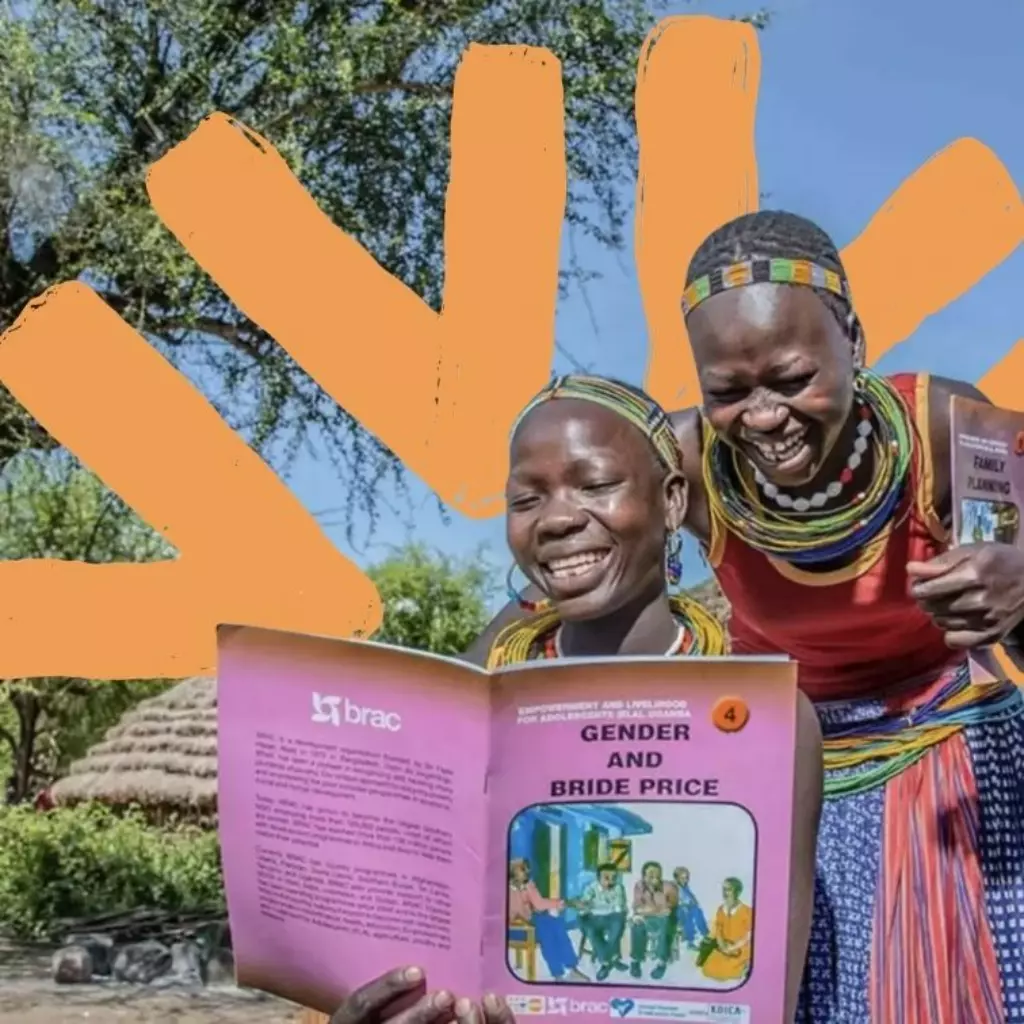
Do you have a experience with the programs on this website, or any other interventions that aim to address or reduce childhood sexual violence?
Whether you're a advocate, activist, implementer or a participant of a program, we'd love to hear from you!