Solutions
Evidence-based

Faith Matters!

Faith Matters aims to increase faith leaders’ knowledge of child protection issues, including sexual violence against children, and facilitate action toward child safeguarding in faith communities.

Zambia Norms and values
Faith matters hero image

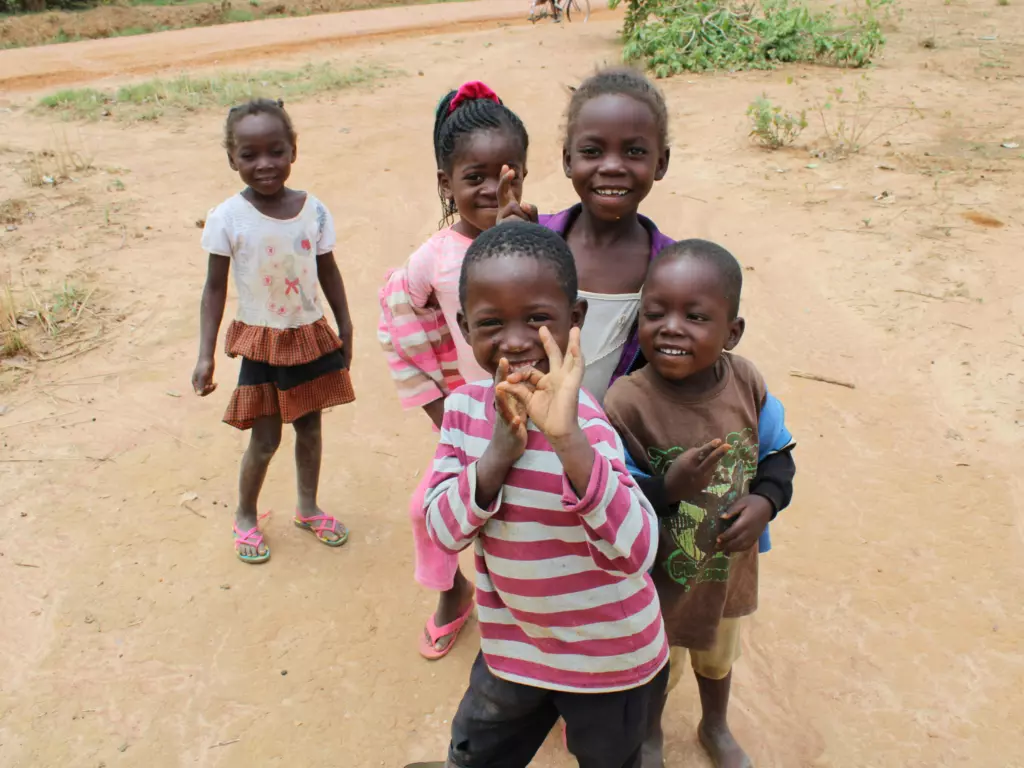
Children playing in Zambia. Photo credit: Ana Kenk

1

Quick facts

Evidence-based

INSPIRE pillar

Norms and values

Effectiveness of intervention type

Other/not categorized

Evidence type

Pre-post study

2

Context

Faith Matters is an adaptation of the evidence-based Families Matter! program [1]. It aims to increase faith leaders’ knowledge of child protection issues, including sexual violence against children and facilitate action toward child safeguarding in faith communities. Faith Matters originated through a collaboration between the U.S. Centers for Disease Control and Prevention (CDC) and the faith-based NGO in Zambia, Expanded Church Response (ECR). ECR identified the need for a program similar to Families Matter, specifically designed for Faith Leaders. 

The adaptation and implementation of Faith Matters responded to the need to address violence against children and adolescents in Zambia. The 2014 Zambia Violence Against Children and Youth Survey found that half of girls and boys experienced at least one type of violence before reaching the age of 18, while knowledge and utilization of support services among victims and survivors remained low [2]. 

The Families Matter! program, from which Faith Matters is derived, is an evidence-based intervention that aims to improve parenting practices and parent-child communication regarding sexual health-related issues. It was adapted to the Kenyan context from the ‘Parent Matters’ program in the United States in 2003 and renamed to accommodate diverse caregiving structures. The Families Matter! program provides parents and other caregivers of children aged 9-12 with the knowledge, skills, and confidence to discuss sexual health-related issues with their children. Delivered over seven sessions, the main goal of Families Matter! is the reduction of sexual risk behaviors and violence among adolescents [3]. Families Matter! has shown significant improvements in parenting skills and in parent-child communication about sexuality in both Kenya [4] and Tanzania [5] and has been implemented in 13 African countries, reaching over a million families [3].

To develop Faith Matters, scientists at the CDC worked closely with partners, including ECR, in Zambia and experts at the Interfaith Health Program at Emory University’s Rollins School of Public Health, to adapt Families Matter to faith settings. Faith Matters was initially piloted among 2000 faith leaders in Lusaka, North Western, and Copperbelt Provinces of Zambia and was further rolled out, following additional adaptations, as a core intervention within the U.S. President’s Emergency Plan for AIDS Relief (PEPFAR)’s Faith and Communities Initiative (FCI) in 2018. 

3

About the program

What it is and how it works

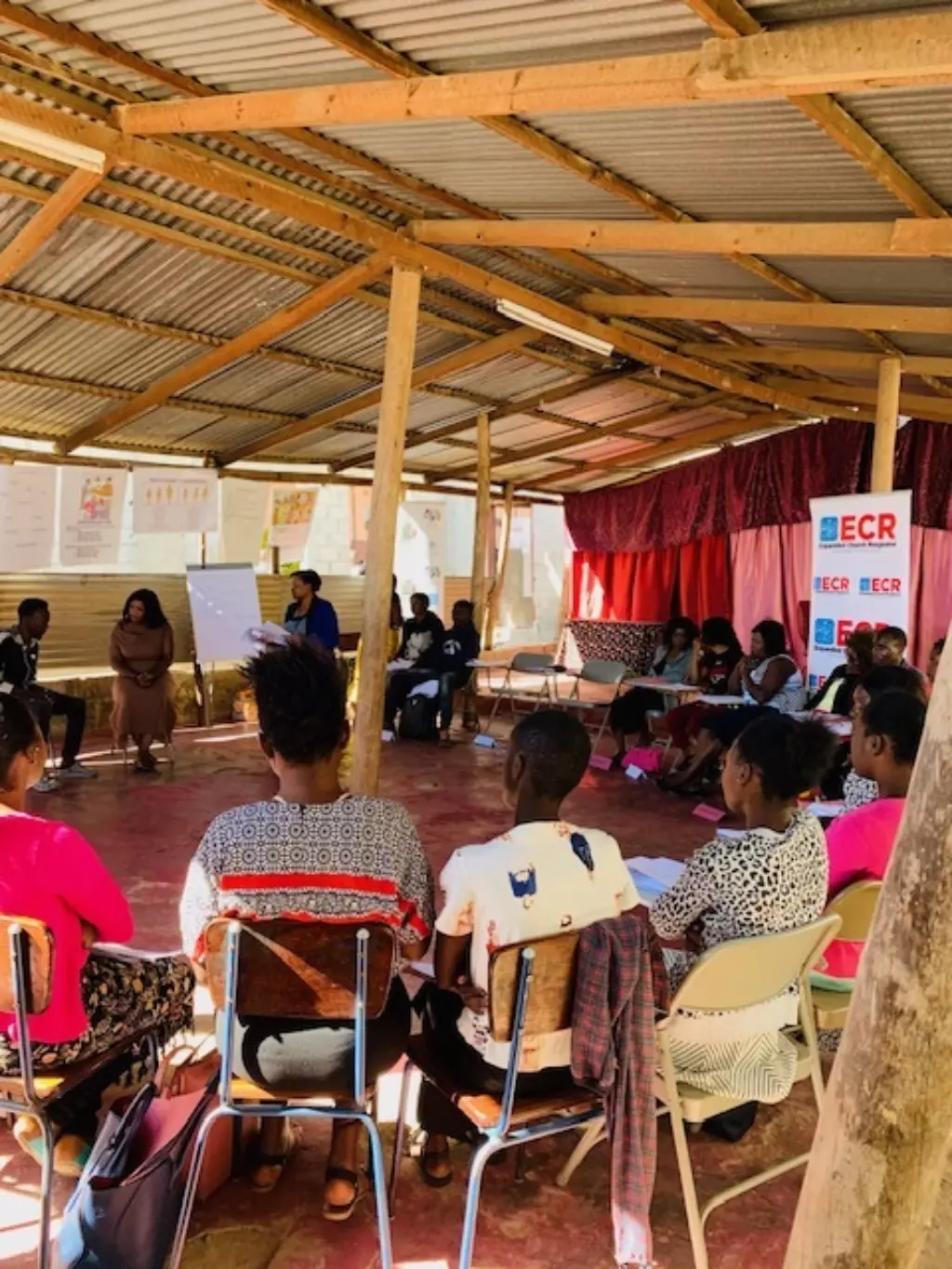
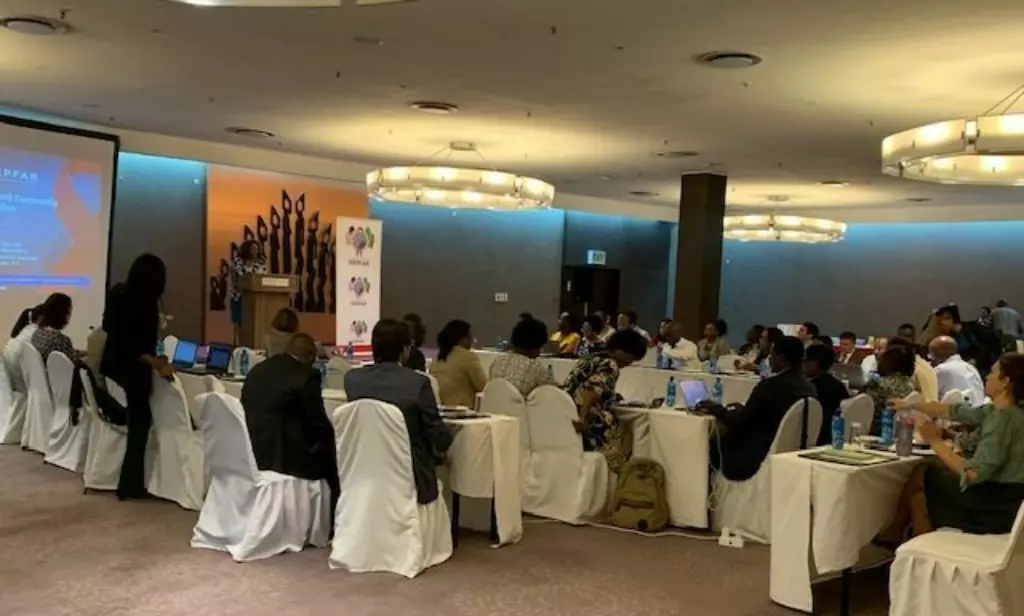
Faith Matters! is a two-day training workshop consisting of four interactive sessions that engage faith and community leaders. It was implemented in four countries - Zambia, Zimbabwe, Kenya, and Tanzania - between 2019 and 2021, with support from the U.S. Government through the President’s Emergency Plan for AIDS Relief (PEPFAR)’s Faith and Communities Initiative (FCI).

After receiving certification for completing a train-the-trainer program, Faith Matters trainers delivered program sessions to participating faith leaders in small groups. The topics covered  in the training include:

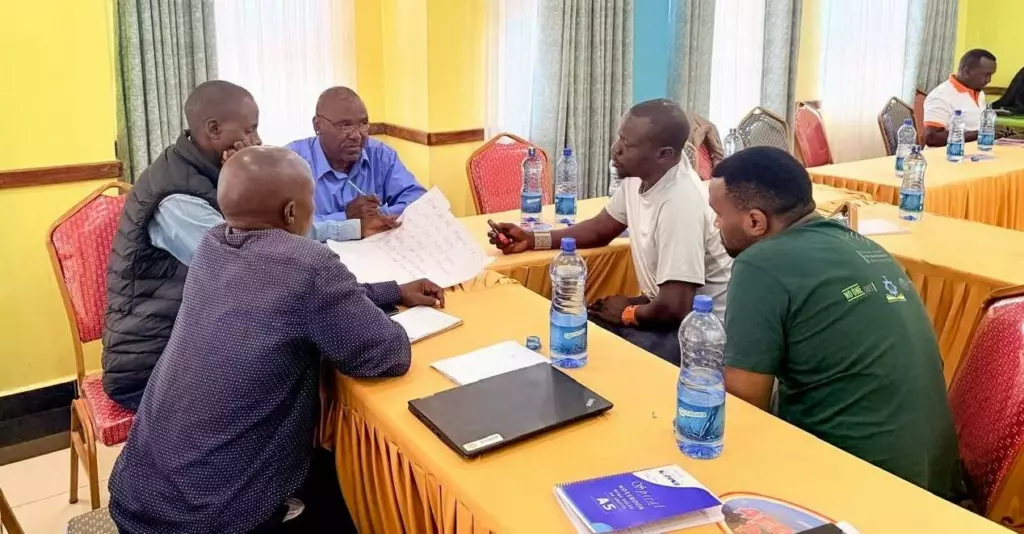
Faith matters 1

Training session for Faith Matters! Photo credit: U.S. Centers for Disease Control and Prevention

  • Information about sexually transmitted infections, HIV prevention, treatment, testing, and other HIV-related issues; 
  • Understanding gender-based violence, sexual violence against children, and the challenges adolescents and young adults face, like peer pressure, increasing faith leaders’ understanding of their own role in preventing child sexual abuse
  • Strategies to support adolescents and young adults living with HIV, including stigma, disclosure, treatment adherence, and engaging in healthy relationships
  • Direct linkages to available community health resources to be shared within their communities [1].

Some unique elements of the program are that it focuses on young people’s experiences related to peer pressure, stigma, unhealthy relationships, and challenges with making responsible decisions about sex and healthy practices. Moreover, faith leaders are trained to understand the physical, emotional, and social changes that young people go through. Faith Matters! uses various learning activities, such as group discussions, role-plays, proverb discussions, mini-lectures, and audio scenarios, and is designed to be adapted to the local context and faith-based community [1]. And as such, where appropriate, adjustments are made to names and locations, and all materials are translated into local languages for local relevance

To ensure inclusivity, the curriculum was designed as a generic manual that avoided citing specific religious texts. This approach enables participation from various religious groups, such as Muslim Imams and different Christian denominations, allowing participants to provide examples relevant to their own traditions during the sessions.

Faith leaders were initially engaged through informational meetings aimed at building awareness and local buy-in for the two-day training. Those who expressed interest were then asked to identify staff, volunteers, and other leaders within their congregations who would be well-suited to participate. This approach leveraged faith leaders' knowledge of their congregations to recruit participants who could use the knowledge and skills gained through the training to better support adolescents and young adults, while also sharing the information with other members of their faith communities.

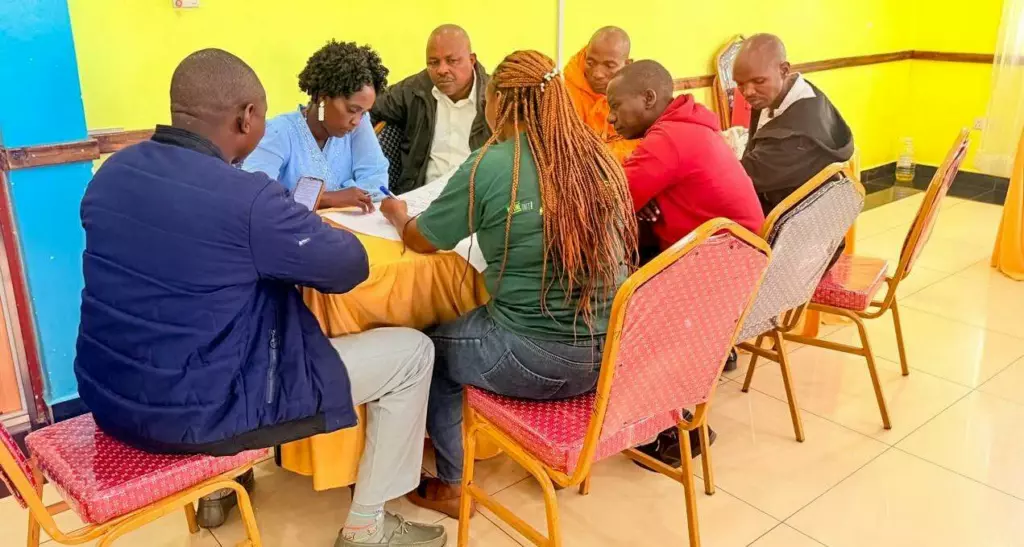
Faith matters 2

Training session for Faith Matters! Photo credit: U.S. Centers for Disease Control and Prevention

Evaluation and program outcomes 

The field study team from ECR and the University of Maryland evaluated Faith Matters! in Zambia, a majority Christian country (98%), between September 2021 and January 2022 using a pre- and post-test study design that included collecting data before and after the intervention, with a 3-month follow-up. Sixty-six Christian faith leaders participated in the evaluation. The questionnaire measured demographics, HIV and sexual violence knowledge and beliefs, and confidence in communicating about HIV and sexual violence [1]. 

The Faith Matters! program strengthened faith leaders’ knowledge and self-reported engagement around topics that are traditionally hard to discuss, including sexual violence. Whereas the evaluation suggested that prior to the program, faith leaders lacked awareness of sexual violence against children, the program broadened faith leaders' ability to recognize child sexual abuse, understanding that it can occur in many settings, including religious institutions. It also suggests that, given their influential position in the community, faith leaders are critical partners in raising awareness and advancing child protection efforts, and that programs like Faith Matters can serve as a catalyst [1].  

4

Key impact

Knowledge of where sexual violence occurs improved substantially.

Faith leaders were able to recognize places where sexual violence occurs in the community, including farms, schools, clubs, and bars. Notably, recognition that sexual abuse can occur in a church increased from only 3% to 33.3% after the training.

Knowledge of various forms of sexual violence improved significantly.

The training improved faith leaders' ability to identify different forms of sexual abuse correctly. Following the intervention, significantly higher proportions of participants correctly recognized behaviors such as inappropriate touching, exposure of private parts, and sexual relationships between adults and minors as forms of sexual violence.

Recognition that an adult exposing their private parts to a child is sexual abuse increased

from 51.5% to 75.8%.

Recognition that a 14-year-old girl having sex with an adult is sexual abuse increased

from 40.9% to 57.6%.

Recognition that touching a child’s genitals or private parts is sexual abuse increased

from 56.1% to 75.8%.

Understanding of unhealthy relationships improved in some areas.

Faith leaders became better able to identify controlling behavior as a sign of an unhealthy relationship (40.9% at baseline to 68.2% after the 3-month follow-up).

Understanding of adolescents' unique social and developmental challenges increased.

Following the intervention, faith leaders were significantly more likely to recognize the importance of understanding the challenges and pressures faced by adolescents when supporting adolescents living with HIV (from 60.6% at baseline compared with 78.8% at follow-up).

Churches became more active in supporting adolescents living with HIV.

Following the training, 91.4% of leaders reported being engaged in more supportive conversations or activities with adolescents living with HIV, compared with 76.2% at baseline.

Faith leaders reported more frequent discussions with adolescent church members about HIV-related topics

with those reporting 4-7 discussions in the previous three months increasing from 7.8% to 26.7%.

The number of faith leaders reporting that their church hosted HIV/AIDS awareness events increased

from 31 to 42.

Changes in comfort level communicating sensitive issues were not significant. Researchers suggested including more skill-building components in the training to address this finding. [1]

5

Challenges and lessons learned

Challenges
  • Time and budget constraints prevented implementers from conducting a community evaluation to assess whether young people had received the messages through faith leaders.
  • COVID-19 presented significant implementation challenges, including implementation delays. 
Lessons learned
  • The facilitators’ understanding of the cultural and religious context helped to ensure the success of the program.
  • Adapting evidence-based content for faith settings enhanced the training's relevance and acceptability across diverse faith communities. Interactive learning methods, including discussions, role-plays, case scenarios, and practical exercises, helped build participants' confidence in addressing sensitive topics.
  • Training faith leaders to prevent, identify, and respond to sexual violence can strengthen community-level protection for children and young people. Because faith leaders are trusted within their communities, they are well-positioned to raise awareness, challenge harmful norms, and support safer responses to sexual violence. 
  • Faith leaders are most effective when equipped with adaptable tools rather than prescribed messaging. A training approach that provides evidence-based knowledge and practical skills, while allowing faith leaders to communicate key messages through sermons, teachings, counseling, and other ministry activities in ways that align with their faith traditions and congregational contexts, supports broader uptake and sustained application of the knowledge and skills gained through the training.
  • Addressing child safeguarding and safe hiring practices is an important component of training for faith leaders. Including these topics helps strengthen the capacity of faith institutions to protect children and young people.
  • Evidence limitations. The evaluation did not assess experiences among adolescents, congregants, or wider community members, so findings should be understood as changes among trained faith leaders rather than evidence of community-level impact.
6

Sources and contact

[1] Kanagasabai, U., Aholou, T., Chevalier, M. S., Tobias, J. L., Okuku, J., Shiraishi, R. W., Sheneberger, R., Pande, Y. C., Chifuwe, C., Mamane, L. E., Njika, G., Obongo, C., & Thorsen, V. C. (2023). Reaching youth through faith leaders: Evaluation of the Faith Matters! initiativeAIDS Education and Prevention, 35(Suppl. A), 82–99. https://doi.org/10.1521/aeap.2023.35.suppA.82 

[2]  Ministry of Youth, Sport and Child Development, Ministry of Community Development and Social Services, University of Zambia, United Nations Children's Fund, Save the Children International, & United States Centers for Disease Control and Prevention. (2018). Violence against Children in Zambia: Findings from a National Survey, 2014. Ministry of Youth, Sport and Child Development. 

[3] Center for Global Health, Division of Global HIV/AIDS, & United States President's Emergency Plan for AIDS Relief. (2014, March). The Families Matter! Program overview. Centers for Disease Control and Prevention. 

[4] Vandenhoudt, H., Miller, K. S., Ochura, J., Wyckoff, S. C., Obong'o, C. O., Otwoma, N. J., Poulsen, M. N., Menten, J., Marum, E., & Buvé, A. (2010). Evaluation of a U.S. evidence-based parenting intervention in rural western Kenya: From Parents Matter! to Families Matter!AIDS Education and Prevention, 22(4), 328–343.

[5] Kamala, B. A., Rosecrans, K. D., Shoo, T. A., Al-Alawy, H. Z., Berrier, F., Bwogi, D. F., & Miller, K. S. (2017). Evaluation of the Families Matter! Program in Tanzania: An intervention to promote effective parent-child communication about sex, sexuality, and sexual risk reduction. AIDS Education and Prevention, 29(2), 105–120.
Special thanks to Gillian Njika; Viva Thorsen, Epidemiologist, Youth & HIV Testing Technical Advisor, and Shankar Kanagasabai, Medical Epidemiologist, for co-developing this case study.

For more information on this case study, you can reach out to Gillian at [email protected] 

Last updated: 22 July 2026

Share your story!

Do you have a experience with the programs on this website, or any other interventions that aim to address or reduce childhood sexual violence? 

Whether you're a advocate, activist, implementer or a participant of a program, we'd love to hear from you!