Significant improvements in gender-equitable attitudes
in boys who participated compared with those in comparison schools
Equipping sports coaches to engage athletes in meaningful conversations that challenge harmful stereotypes, promote respectful behaviors, and strengthen positive bystander intervention.
Effectiveness of intervention type: |
Effective |
|
INSPIRE Pillar |
Education and life skills |
|
Evidence type |
Randomized controlled trial |

Sexual violence is a global public health concern, affecting 1 in 5 girls and 1 in 6 boys globally [1]. Although relatively little global data is available, the U.S. National Survey of Children's Exposure to Violence showed that more than 70% of sexual violence incidents were perpetrated by another young person under the age of 18, ranging from acquaintances to dating partners [2].
In addition, an analysis of the Australian Maltreatment Study showed that more youth had experienced sexual violence by another adolescent than by an adult perpetrator for the first time, reversing historic trends [3].
These data show that prevention of harmful behaviors among children and adolescents is critical to ending sexual violence against children overall. Research also shows links between bullying behaviors and sexual harassment [4] and between harmful gender attitudes and adolescent dating violence [5].
Thus, programs that seek to address the intersections of these forms of violence against children in early adolescence are important to help ensure children are safe from sexual violence wherever they learn and play.
What it is and how it works
Coaching Boys Into Men (CBIM), a program of Futures Without Violence (FUTURES), is an evidence-based violence prevention and healthy relationships program that leverages the unique influence of athletic coaches as trusted mentors to help adolescent boys and young men develop the knowledge, attitudes, and skills needed to build healthy relationships, promote equality, strengthen positive mental well-being, and prevent violence.
Grounded in the values of teamwork, integrity, respect, accountability, and leadership, CBIM equips coaches to engage athletes in meaningful conversations that encourage critical thinking, challenge harmful stereotypes, promote respectful behaviors, and strengthen positive bystander intervention. Rather than relying on lectures, CBIM uses discussion-based mentoring to help young people reflect on their experiences, practice new skills, and apply them both on and off the field.
Coaching Boys Into Men Sacramento Program. Credit: Futures Without Violence
At the heart of the program are 12 structured, coach-led mentoring conversations, each lasting approximately 15 minutes and integrated into the regular sports season. Using locally contextualized CBIM Coaching Cards containing specific scripted messages, coaches facilitate interactive discussions on topics such as respect and personal responsibility, mental health and well-being, healthy relationships, consent, communication, conflict resolution, digital respect, anger management, leadership, and standing up against harassment, abuse, and violence against women and girls.
Multiple randomized controlled trials have demonstrated that CBIM increases positive bystander behaviors, promotes equitable attitudes, improves recognition of abusive behaviors, and reduces abuse perpetration among participating male athletes, making it one of the most rigorously evaluated sports-based violence prevention programs for adolescent boys and young men.
CBIM utilizes a cascade training model that builds local ownership and long-term sustainability. Certified CBIM Advocates prepare and support coaches, while coaches implement the curriculum directly with their teams throughout the sports season.
Duration: 3-4-day certification program delivered through a blended learning model that combines live facilitator-led sessions with asynchronous online learning, practical assignments, and interactive skills practice. Upon completion, participants become certified CBIM Advocates qualified to train coaches and lead implementation within their communities.
Target participants:
The CBIM Advocate Training prepares participants to become certified trainers and implementation leaders capable of introducing, adapting, implementing, and sustaining CBIM within schools, sports organizations, faith communities, and community-based settings.
Participants develop a comprehensive understanding of the CBIM curriculum, safeguarding measures and procedures, evidence base, implementation model, and core principles while strengthening their facilitation, coaching, partnership-building, and leadership skills. Through interactive instruction, facilitation practice, role-playing, community action planning, and peer learning, Master Trainers learn to:
Participants will be able to:
Duration: Approximately 2–3 hours (minimum 90 minutes), delivered in person prior to the start of the sports season.
Target Participants
The CBIM Coaches Clinic prepares coaches to confidently implement CBIM by equipping them with the knowledge, practical skills, and facilitation techniques needed to serve as trusted mentors and positive role models.
Following the clinic, coaches implement CBIM through 12 weekly, 15-minute mentoring conversations integrated into the sports season. Using locally contextualized CBIM Coaching Cards, a practical, easy-to-use facilitation tool that provides weekly objectives, discussion prompts, conversation guides, and key take-away messages, coaches confidently lead interactive, athlete-centered discussions that introduce a new topic and skill each week. The cards are designed to support coaches, regardless of their prior experience with these topics, by providing a structured yet flexible framework that encourages authentic dialogue and relationship-building. Weekly sessions address respect and personal responsibility, mental health and well-being, healthy relationships, consent, communication, conflict resolution, challenging harmful norms and stereotypes, digital respect, controlling anger and aggression, promoting greater equality, leadership, and positive bystander intervention.
Coaches guide meaningful discussions that encourage reflection, critical thinking, and practical application, helping athletes build the confidence and skills to foster healthy relationships, challenge harmful norms, intervene safely when witnessing disrespect or violence, and become positive leaders within their teams and communities.
Throughout implementation, coaches receive ongoing mentoring, technical assistance, and implementation support from certified CBIM Advocates.
Coaches will be able to:
Together, this two-tiered training model creates sustainable local capacity by preparing Master Trainers to build and support a network of coaches who, in turn, mentor young athletes and help foster safer teams, healthier relationships, and more equitable communities.

Locker Room Talk. Credit: Futures Without Violence
Between 2009 and 2011, a FUTURES randomized controlled trial among 1,513 high-school athletes (ages 14-18) showed that although CBIM showed no impact at the end of the sports season [6-Miller, 2012], one year later, boys who participated demonstrated:
A secondary analysis of these data looked at dating violence perpetration separately and found:
Researchers also conducted a cluster-randomized clinical trial among 973 middle school boys (ages 11 to 14) in Pennsylvania, United States, between 2015 and 2017. The 43 participating public and private schools were randomly assigned to either participate in CBIM or serve as the control group and receive standardized coaching.
The study found that at program end:
Among all participating athletes, one year following the program's end:
Among athletes who received at least 8 of the 12 coaching sessions:
FUTURES worked with the Mumbai School Sports Association to adapt and implement CBIM among school cricket teams in Mumbai, India. Cricket is the most popular sport in South Asia and, as a primarily male sport, provides an opportunity to build boys’ attitudes and skills for healthy relationships.
As a first step, FUTURES interviewed coaches and conducted focus group discussions with athletes to better understand whether the program would be practical in the local context and accepted by the community, and what cultural adaptations might be needed. These sessions revealed hesitancy about whether coaches should have a role in addressing issues of gender-based violence, widespread acknowledgment of sexual harassment of girls and women, recognition of biases, and attitudes of acceptance toward it, particularly among coaches.
As a result, the program was named ‘Parivartan’, meaning ‘transformation’ in Hindi and included a greater focus on training coaches to counter harmful attitudes. This included an intensive 3-day workshop and nine mentoring sessions over 4 months. During the workshops, the coaches practiced incorporating their own examples into the curriculum to make it more relatable for their athletes. Based on local feedback, the coaching cards remained largely unchanged from the U.S. high school implementation.
The sports association invited 60 Mumbai high schools to participate in Parivartan, and 46 agreed. 168 boys aged 10-16 in 27 schools initially participated, and 19 served as a comparison group that would receive the intervention later. A year after the program, the researcher found:
in boys who participated compared with those in comparison schools
by participating athletes, but the difference was not statistically significant.
showed by participants compared with athletes in non-participating schools [10].
Lessons
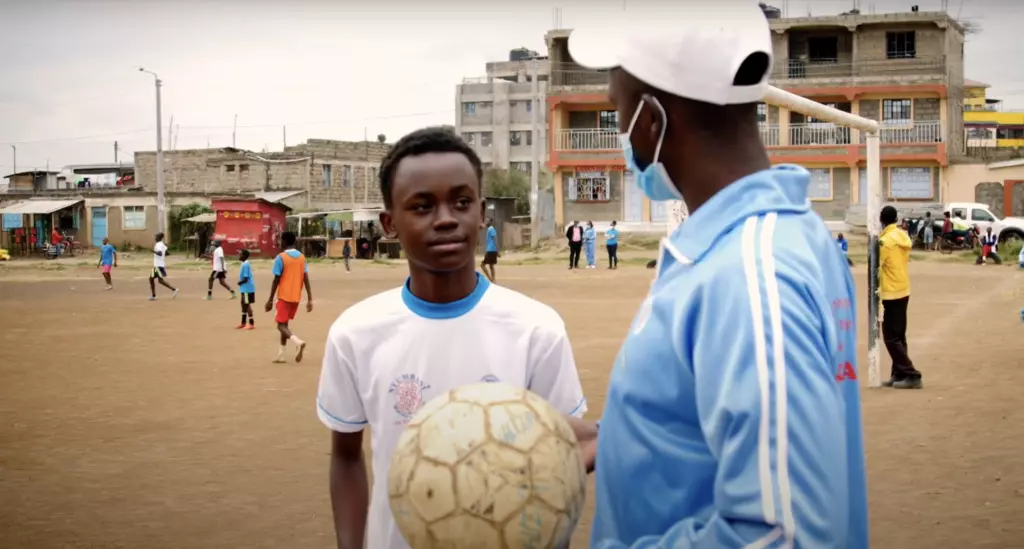
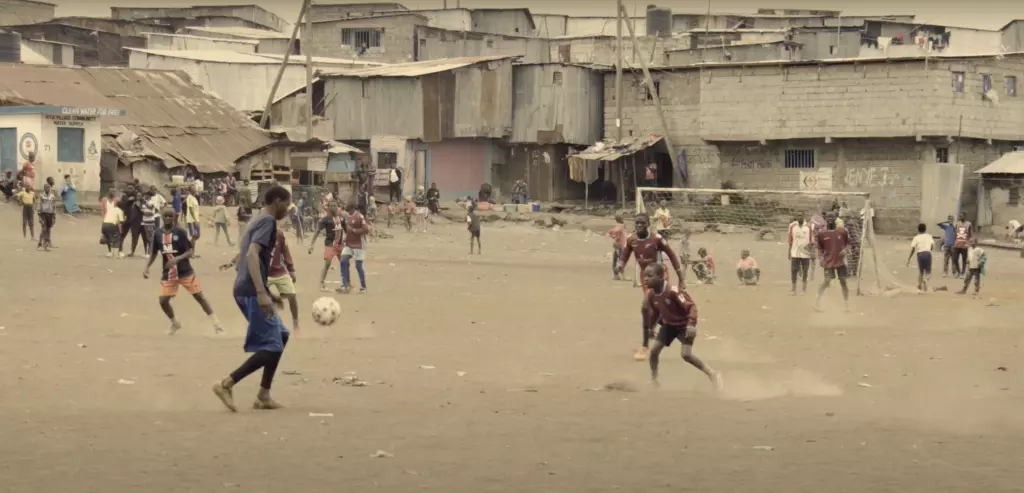
In 2020, with technical support from FUTURES, World Vision implemented CBIM in several countries as a part of the U.S. President’s Emergency Plan for AIDS Relief (PEPFAR) Faith and Communities Initiative (FCI). Through FCI, Children of God Institute (COGRI) implemented CBIM through the Lea Toto (translated “to raise the child” in Swahili) program in informal settlements in Nairobi, Kenya.
The Lea Toto program provided HIV care, such as nutritional support and counseling, as well as treatment for people living with HIV. The overall goal of FCI was to increase diagnoses among people living with HIV, including boys and young men, and link them to lifesaving treatment and to increase child protection efforts.
Lea Toto continued implementing CBIM until USAID funding ended in 2025. [11] Program implementation took place during COVID-19 school closures, providing an important structured intervention at a time when many children experienced a higher risk of violence.
As a first step, COGRI trained 52 Muslim Imams and 348 Christian pastors and bishops to speak with members of their faith communities about HIV and gender-based violence, including identifying men and boys with HIV and the importance of preventing violence. Those faith leaders delivered messages to 90,000 community members of their communities. They also encouraged participation through WhatsApp groups and a radio program.
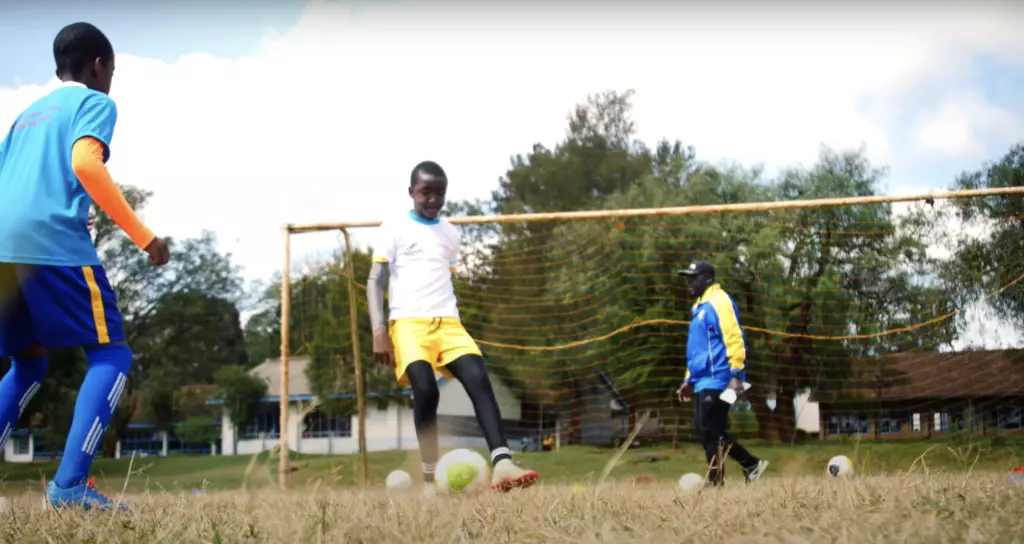
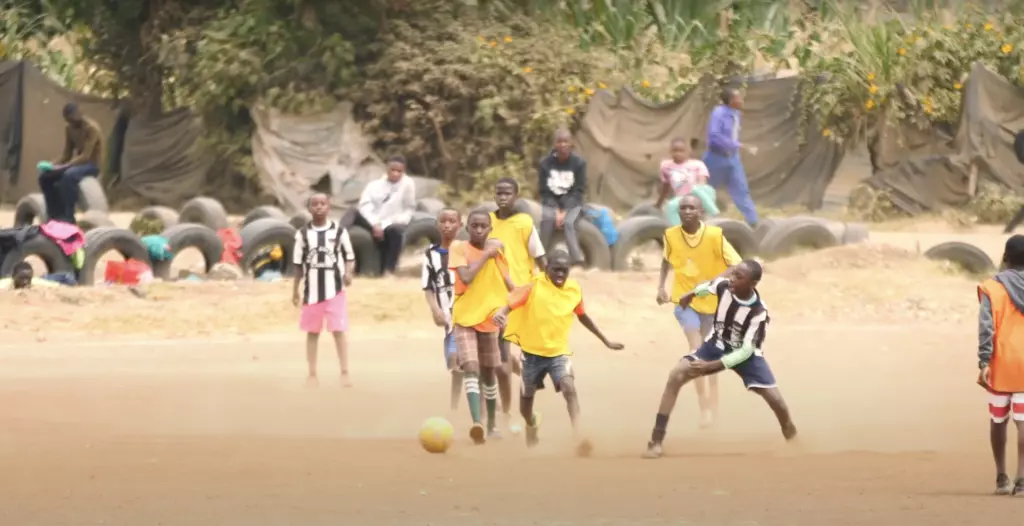
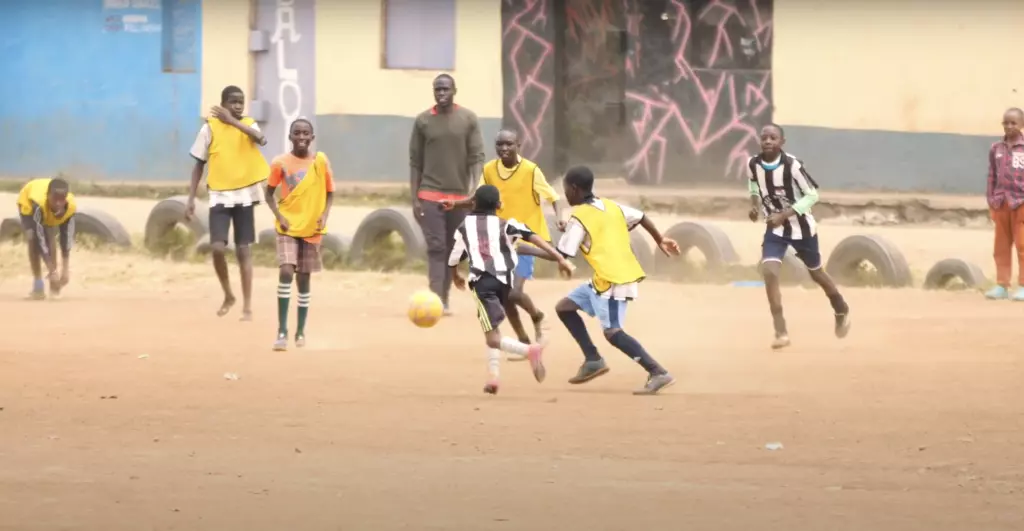
COGRI recruited 95 adults to serve as CBIM coaches, delivering the sessions in their places of worship or in the community. More than 2,000 boys ages 9-14 participated in the program and signed a pledge to support girls and women and end gender-based violence. The coaches committed to continuing to hold card sessions within the community.
The partners also utilized the CBIM coaching sessions to screen participants and people in the community for HIV, offering voluntary counseling and testing and direct linkage to treatment when someone was identified as living with HIV [11]. Given high interest from local leaders, community football clubs, and organizations, Lea Toto staff also recruited and trained 35 teachers to implement the program in schools once they reopened after COVID-19 closures.
as reported by parents, and noted that the boys shared learnings from the coaching sessions.
as perceived by their coaches
received by COGRI, following positive experiences with the program
*Note, as the Lea Toto program has been closed, this adaptation summary is largely informed by the UN Compendium of Promising Practices of African Faith Community Interventions Against Paediatric and Adolescent HIV.
Adolescent girls and young women in East and Southern Africa continue to experience disproportionately high rates of HIV infection compared with their male peers, driven by a range of structural factors including gender inequality, poverty, limited educational and economic opportunities, and gender-based violence, particularly sexual violence.
In response, the U.S. President's Emergency Plan for AIDS Relief (PEPFAR) launched the DREAMS initiative (Determined, Resilient, Empowered, AIDS-free, Mentored, and Safe), a comprehensive, multi-sectoral approach that combines biomedical, behavioral, and structural interventions to reduce HIV risk among adolescent girls and young women by addressing the underlying drivers of vulnerability.
While DREAMS has made important investments in empowering girls and strengthening supportive family and community environments, comparatively fewer interventions have focused on transforming the attitudes and behaviors of adolescent boys and young men, who play a critical role in shaping relationship dynamics. This gap is particularly important given that nationally representative Violence Against Children and Youth Surveys (VACS) conducted across Eastern, Southern, and West Africa indicate that friends or classmates are responsible for 10–27% of girls' first experiences of sexual violence, while intimate partners account for 20–60% of first incidents. These findings underscore the importance of engaging boys and young men through evidence-based, gender-transformative approaches such as Coaching Boys Into Men (CBIM) to prevent violence before it occurs and promote healthier, more equitable relationships.
The U.S. Centers for Disease Control and Prevention, World Health Organization, and World Vision came together in 2017 to ‘pilot’ INSPIRE: Seven Strategies to End Violence Against Children. As part of the pilot, World Vision implemented a locally adapted Coaching Boys Into Men curriculum in an area receiving DREAMS interventions for adolescent girls and young women, where district officials remarked that boys had been ‘left behind’.
In 2021, FUTURES partnered with Soccer Without Borders Uganda (SWB) to deliver a master trainer course that included government officials. SWB now has 8 trained and certified staff and has reached 285 adolescent refugee boys. An internal baseline-to-endline assessment with participants showed gains in both coach delivery and boys' attitudes.
By endline, 94% of boys reported that their coach had talked with them about stopping harmful or violent behavior toward girls, up 34 percentage points from 60% at baseline, and 100% reported their coach had discussed the importance of respecting women and girls, up from 79%.
Boys were also markedly more likely to identify abusive behavior as abusive: recognition that pressuring a partner to skip school, work, sports, or clubs is abusive rose from 72% to 97%; using a partner's money without permission, from 60% to 90%; name-calling and insults, from 65% to 81%; and threatening to hit a partner, from 79% to 87% [12].
“ I have learned how to step back and let others make personal decisions rather than dictating them, also giving people their space and respecting their personal time. These are important boundaries, helping me to know how far I can go in case I am talking and interacting with someone. ”
Athlete participant
PACT Tanzania, in partnership with Futures Without Violence and Soccer Without Borders, and with funding from USAID, implemented CBIM in 10 councils of Tanzania that had been receiving DREAMS programming for girls from 2022-2025 [13]. Together with the Tanzania Commission for AIDS and the Tanzania Institute of Education, the partners adapted the curriculum to the needs of the communities [14]. This included ensuring all images used in training were representative of local communities, removing videos, and translating all materials into Swahili. The program reached more than 116,000 student-athletes.
During an end-of-program event, three schools came together to discuss the impact of CBIM. Girls noted that although they had previously received programming (e.g., through DREAMS), it was not until the boys began participating in CBIM that things changed. They expressed a sense of renewed freedom, now comfortable raising their hands and participating more in class without fear of teasing. Teachers expressed similar observations. One boy stated that when a girlfriend confided in him that her father planned to marry her to an old man, he spoke with the father and convinced him not to do so.
“ Coaching Boys Into Men sessions have had a profound impact on my behavior. I used to struggle to treat the girls in my class with respect. But with the guidance of my coach, and the positive influence of my peers, I have undergone a transformative journey. I now understand my responsibilities and have gained a deep respect for girls and women within the school, home, and community. They truly deserve my utmost respect. ”
11 year old athlete participant

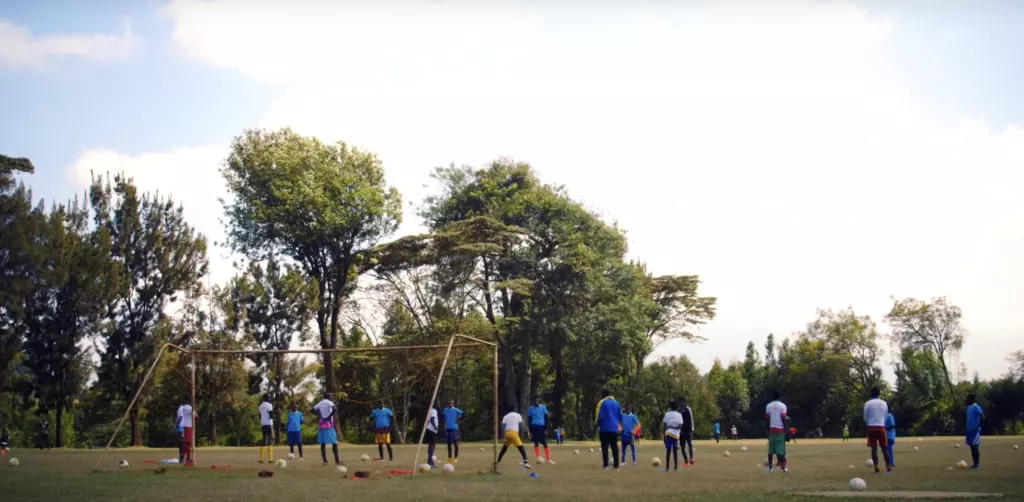
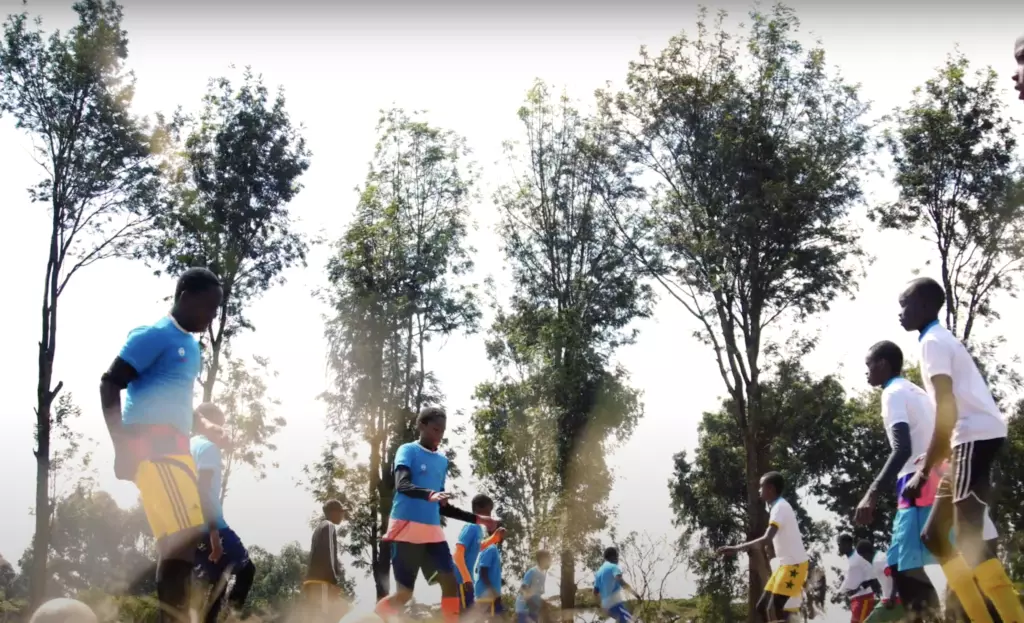
Coaching Boys Into Men: Community interventions in Kenya. Credit: Pact
Coaching Boys Into Men (CBIM) is currently implemented or adapted in more than 10 countries worldwide, including Tanzania, Kenya, Uganda, Botswana, Ethiopia, and Rwanda, through partnerships with governments, schools, sports organizations, and community-based organizations. Since its launch, the program has trained more than 12,300 coaches and reached over 420,000 adolescent boys and young men globally, including more than 369,000 adolescents in East Africa.
Across multiple evaluations, participants demonstrated significant improvements in gender-equitable attitudes, positive beliefs about healthy masculinity, confidence and willingness to intervene safely when witnessing harmful behavior, and their ability to recognize abusive and controlling behaviors. The program has also shown promising results in strengthening positive bystander behaviors and reducing relationship abuse, including sexual violence.
When implemented alongside broader efforts to strengthen community norms that promote gender equality, support positive parenting, and create safe and equitable environments for children and adolescents, CBIM and other gender-transformative bystander intervention approaches have the potential to foster healthier relationships, reduce gender-based violence, and create safer, more supportive communities where girls, women, boys, and families can thrive.
1. Fang, X., Ren, J., Kang, J., Ligiéro, D., Fry, D., et al. (2026). A systematic review of the global and regional estimates of the prevalence of sexual violence against children. Nature Human Behaviour, 10(6):1130-1142. https://doi.org/10.1038/s41562-026-02436-1
2. Gewirtz-Meydan A., & Finkelhor D. (2020). Sexual Abuse and Assault in a Large National Sample of Children and Adolescents. Child Maltreatment, 25(2): 203-214. https://doi.org/10.1038/s41562-026-02436-1.
3. Mathews, B., Finkelhor, D., Pacella, R., Scott, J.G., Higgins, D.J., et. al. (2024). Child sexual abuse by different classes and types of perpetrator: Prevalence and trends from an Australian national survey, Child Abuse & Neglect, 147. https://doi.org/10.1016/j.chiabu.2023.106562
4. Basile, K.C., Espelage, D.L., Rivers, I., McMahon, P.M., & Simon, T.R. (2009). The theoretical and empirical links between bullying behavior and male sexual violence perpetration. Aggression and Violent Behavior;14(5): 336-347. https://doi.org/10.1016/j.avb.2009.06.001
5. McCauley, H., Jaime, M., Tancredi, D., Silverman, J.G., Decker, M.R. et al. (2014). Differences in Adolescent Relationship Abuse Perpetration and Gender-Inequitable Attitudes by Sport Among Male High School Athletes
Journal of Adolescent Health, 54, 742-744. https://doi.org/10.1016/j.jadohealth.2014.01.001
6. Miller E., Tancredi D.J., McCauley H.L., et al. (2012). “Coaching boys into men”: a cluster-randomized controlled trial of a dating violence prevention program. Journal of Adolescent Health. 51(5): 431-438. https://doi.org/10.1016/j.jadohealth.2012.01.018
7. Miller E., Tancredi D.J., McCauley H.L., Decker, M.R., Virata, M.C.D. et al. (2013). One-year follow-up of a coach-delivered dating violence prevention program: a cluster randomized controlled trial. American Journal of Preventive Medicine, 45(1):108-112. https://doi.org/10.1016/j.amepre.2013.03.007
8. Jones, K.A., Tancredi, D.J., Abebe, K.Z., Paglisotti, T., & Miller, E. et al. (2021). Cases of Sexual Assault Prevented in an Athletic Coach-Delivered Gender Violence Prevention Program. Prev Science, 22: 504–508. https://doi.org/10.1007/s11121-021-01210-1
9. Miller E., Jones K.A., Ripper L., Paglisotti T., Mulbah P., & Abebe K.Z. (2020). An Athletic Coach-Delivered Middle School Gender Violence Prevention Program: A Cluster Randomized Clinical Trial. JAMA Pediatrics, 174(3):241-249. https://doi.org/10.1001/jamapediatrics.2019.5217
10. Miller, E., Madhumita, D. Tancredi, D.J., McCauley, H.L., Virata, M.C.D. et al. (2013). Evaluation of a Gender-Based Violence Prevention Program for Student Athletes in Mumbai, India. Journal of Interpersonal Violence, 29(4). https://doi.org/10.1177/0886260513505205
11. UNAIDS. (2023). Compendium of Promising Practices of African Faith Community Interventions Against Paediatric and Adolescent HIV.
12. Soccer Without Borders. CBIM Program Impact Snapshot. Uganda.
13. PACT Tanzania. (2023). ACHIEVE project final report.
14. Tarimo, A. (2024). It begins with me: what coaching boys into men taught me about leadership. https://www.pactworld.org/blog/it-begins-me-what-coaching-boys-men-taught-me-about-leadership
15. Jaime, M.C.D., McCauley, H.L., Tancredi, D.J., Decker, M.R., Siverman, J.G., et al. (2018). Implementing a Coach-Delivered Dating Violence Prevention Program with High School Athletes. Prevention Science, 19: 1113-1122.
Special thanks to Leila Milani Director, Global Policy and Programs, for co-developing this case study.
For more information on this case study, you can reach out to Leila at [email protected]
Do you have a experience with the programs on this website, or any other interventions that aim to address or reduce childhood sexual violence?
Whether you're a advocate, activist, implementer or a participant of a program, we'd love to hear from you!