Solutions
Evidence-based

Channels of Hope Child Protection

Channels of Hope has been implemented in over 50 countries to address child protection issues, including sexual violence prevention and response.

Uganda Senegal Guatemala Norms and values
This program is implemented by World Vision
Channels of hope hero image

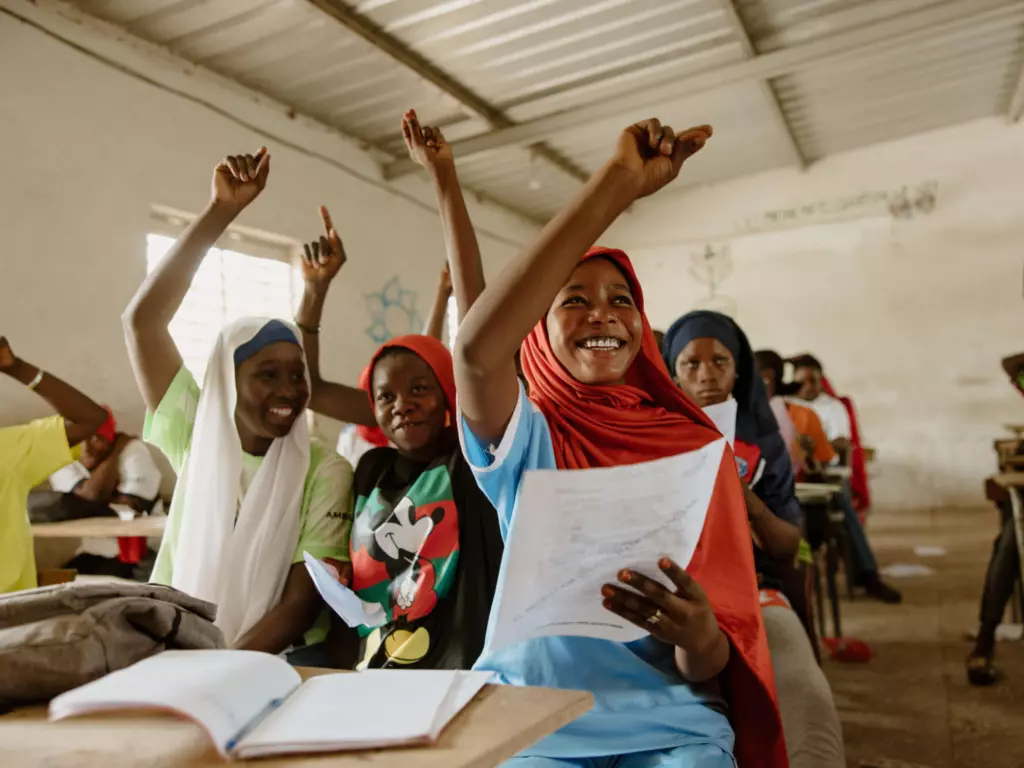
Channels of Hope Child Protection being implemented in Senegal. Photo credit: World Vision

1

Quick facts

Evidence-based

INSPIRE pillar

Norms and values

Effectiveness of intervention type

Needs more evidence

Evidence type

Faith-based

2

Context

Channels of hope world vision

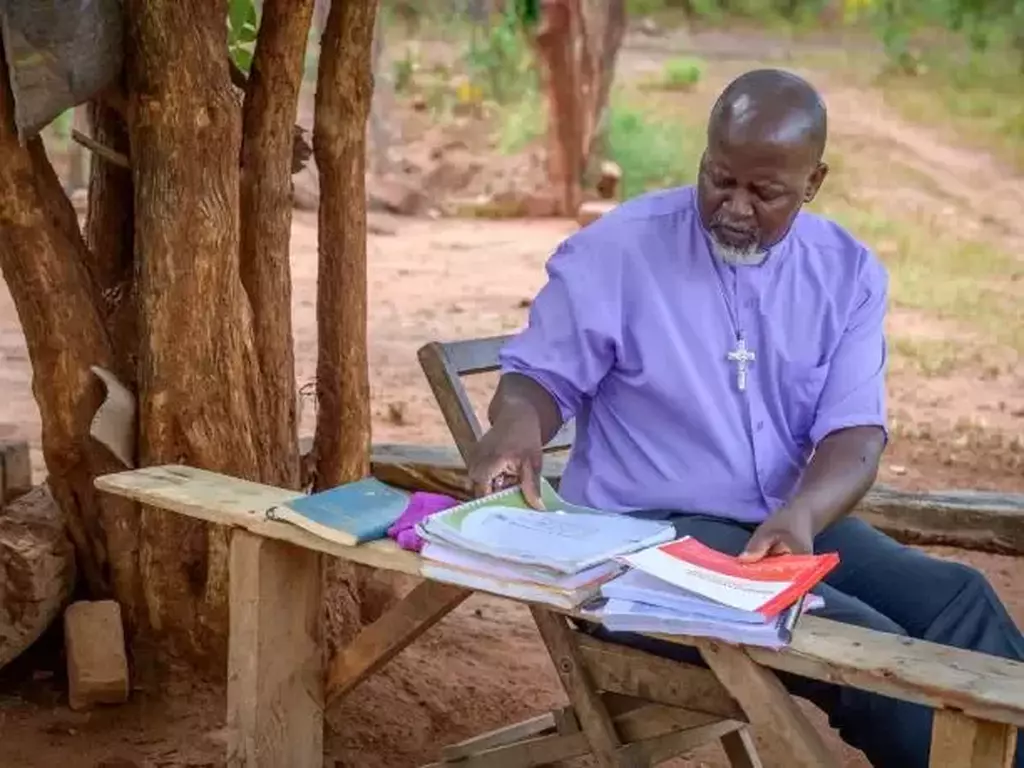
Photo credit: World Vision.

Social norms, beliefs, and values influence how violence against children is understood, tolerated, prevented, and reported. The INSPIRE Framework Norms and values strategy focuses on transforming harmful norms and strengthening beliefs and practices that support children’s safety and rights. In many contexts, faith leaders and communities can play an influential role by shaping community attitudes, interpreting religious teachings, supporting families, and mobilizing collective action. However, relatively few faith-engaged interventions have been rigorously evaluated, particularly in relation to childhood sexual violence.

The Christian AIDS Bureau for Southern Africa originally developed Channels of Hope (CoH) to address the devastating effects of HIV and AIDS in the early 1990s. Since 2003, World Vision has implemented CoH in over 50 countries, and it has evolved to address other areas affecting children's well-being [1], including improved understanding of child protection issues, such as sexual violence prevention and response.

3

Context

What it is and how it works

CoH aims to build capacity among church and faith leaders to address challenging issues affecting children by tackling root causes and challenging harmful social norms. The program offers five context-specific curricula, each with their own set of tools: 

  • Channels of Hope Child Protection (violence against children, including sexual violence), 
  • Channels of Hope Restore (prevent and respond to gender equality and sexual/ gender based violence), 
  • Channels of Hope Maternal, Newborn and Child Health (health outcomes for pregnant women and children under five),
  • Channels of Hope HIV&AIDS (health and well-being of people living with HIV and AIDS)
  • Channels of Hope Ebola (community health outcomes related to Ebola prevention and response) [2].
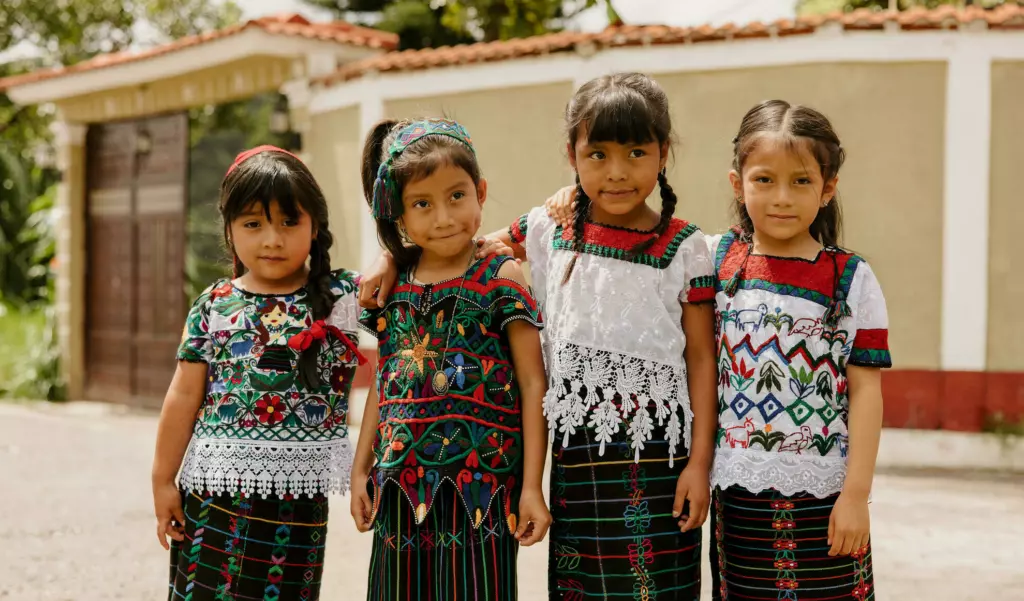
Chosen event in Guatemala.

Channels of Hope participants in Guatemala. Photo credit: World Vision.

CoH Child Protection (CoH CP)

The CoH Child Protection curriculum aims to strengthen collaboration between the formal child protection system and the faith community to prevent and respond to violence against children, including sexual violence. Delivered during a three-day workshop by certified facilitators, the curriculum trains faith leaders to protect children, focusing on the following topics [2]: 

  • Awareness: providing technical training to leaders on child protection (physical and sexual abuse, neglect, exploitation, and all other forms of violence against children) and the specific local context where they work; helping participants understand their own biases and knowledge gaps by challenging social norms that may drive violence, influenced by culture and religion;
  • Comprehensive prevention strategies: including positive discipline, community engagement, leveraging religious teachings that prevent violence against children and compel a response, for example, through justice.
  • Action: participants develop response plans to protect children and promote their well-being in their communities.

The program capitalizes on the social influence, values, and existing networks of faith communities to promote child well-being, encourage community engagement, support caregivers, and strengthen protective environments for children. 

The program is delivered through Christian and Muslim versions aligned with Protestant and Sunni traditions, and has also been applied in Buddhist communities using a dialogue-based approach rather than scripture-based materials.

Channels of hope world vision 1

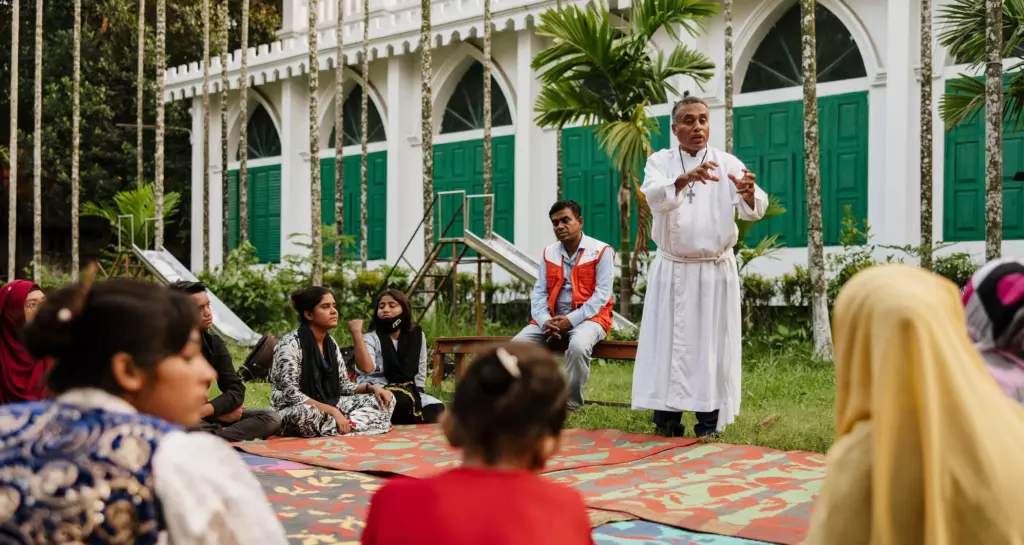
Faith leader facilitation a session with children and adolescents as part of Channels of Hope. Photo credit: World Vision.

Evaluation and program outcomes

Queen Margaret University and Columbia University conducted a research study to assess the CoH Child Protection program’s impact over five years in Senegal, Uganda, and Guatemala. Participants included faith leaders trained through the CoH Child Protection curriculum, members of their congregations, spouses, and community members. Baseline and endline data were collected between 2016 and 2021 [3].

Researchers administered two surveys: one for faith leaders and their spouses, measuring knowledge, attitudes, practices, and theological reflections; and one for community-level volunteer groups formed within faith organizations called Community/Congregational Hope Action Teams (CHAT), congregants, and community members, measuring social norms. Focus groups and key informant interviews were conducted with the above-mentioned actors. Additionally, participatory activities were organized for children aged 11-17. Data were also collected from comparison sites with similar characteristics [3].

The primary outcome of interest was to understand how the program equipped faith leaders and communities to take action to prevent violence against children. 

Since 2005, 430,000 participants have attended 19,000 CoH workshops [1]. CoH CP strengthened faith leaders' commitment and capacity to prevent violence against children, including sexual violence, contributing to positive shifts in beliefs related to child protection, attitudes and behaviors related to reporting sexual abuse, and community engagement.
4

Key impact

Increased opposition to corporal punishment as a way to discipline children

The proportion of faith leaders and spouses who agreed that scripture does not support spanking children as a form of punishment grew substantially, from 53% to 90% in Senegal, 28% to 60% in Uganda, and 54% to 95% in Guatemala.

Greater opposition to child marriage

The percentage of faith leaders and spouses who rejected child marriage as a way to prevent premarital pregnancy rose across all three countries, from 51% to 82% in Senegal, 84% to 96% in Uganda, and 70% to 94% in Guatemala.

Increased willingness to report child abuse

The percentage of faith leaders and spouses who agreed that reporting violence was more important than maintaining good social relationships increased following the intervention, rising from 64% to 87% in Senegal and 71% to 89% in Uganda. In Guatemala, participants mentioned that faith leaders had started reporting cases, overcoming fear of retaliation.

Strengthened participation in child protection activities

94% of faith leaders in Senegal, 95% in Uganda, and 74% in Guatemala reported working actively in their communities to strengthen child protection after the intervention.

*[3]

World Vision continues to implement CoH and is building on its lessons learned through a program called Celebrating Families: A Journey Together (CF). Although CF does not directly address childhood sexual violence, it works with families to support the overall well-being of children by co-developing and delivering faith-based positive parenting workshops with local communities. Ongoing research shows promise in several child protection outcomes, including healthy relationships.

5

Challenges and lessons learned

Challenges
  • While there is often a desire to see immediate improvements in child protection outcomes, CoH is intended to influence the attitudes, norms, and relationships that underpin a protective environment. Achieving measurable child protection outcomes, therefore, requires sustained engagement over time and the contributions of multiple faith actors and partners. 
  • Selection of faith leaders should be contextualised. Not all religious groups and are the same, and not all faith leaders approach their role as authorities in the same ways. Participant recruitment has to be contextualised and facilitators need to be sensitive to the diversity to ensure the community is represented in the selection of faith leaders.
  • Senegal and Guatemala had to adapt the intervention to the local context due to external factors such as COVID-19 and funding challenges [4].

These findings should be interpreted as intermediate outcomes and pathways toward prevention. Implementation varied across settings, several findings relied on self-report, and the published research brief did not report direct measures of reductions in violence against children or childhood sexual violence.

Lessons learned

  • Faith organizations as influential community institutions. To facilitate strategic and sustained norms and behavior change, it is critical to partner with faith groups as central pillars of the community, not as instruments of implementation. 
  • Respect local leaders' time and commitments. Do not impose program timelines on community members. Church and faith leaders are often bivocational, and so they need time to farm or work a second job during certain times.
  • Co-creating the schedule with local church and faith partners allowed them to determine their own activities to address local/contextual root drivers and contribute toward holistic outcomes.
  • Social and behaviour change starts with changing hearts and minds. CoH recognizes that sustained social and behaviour change involves more than transferring knowledge or building technical skills. Facilitated reflection on faith, values and social norms can support personal transformation and motivate longer-term collective action. 
  • Ensuring implementation fidelity is critical to achieving positive outcomes. Evaluations consistently found that outcomes were stronger when the CoH process was delivered as intended. The development of a quality assurance framework helped strengthen implementation quality and support more consistent delivery across regions [1].
6

Sources and contact

[1] World Vision International. (2016). Channels of Hope: Level of Evidence Brief. 

[2] World Vision International. (2025). Channels of Hope user guide. 

[3] World Vision International. (2021). Research brief: Faith communities' contribution to ending violence against children. 

[4] Eyber, C., Jailobaeva, K., Diaconu, K., & Ager, A. (2021). Faith community contribution to ending violence against children research: Final report. Report to World Vision International. Queen Margaret University, Edinburgh.

Special thanks to Kati Kraft, Senior Lecturer in Social Sciences (School of Childhood and Social) - University of East London, Daniel Muvengi, Senior Director, Christian Identity in Programming and Robyn Hagan, Senior Advisor - Programme Quality and Innovation Faith and Development for co-developing this case study.

For more information on this case study, you can reach out to Robyn Hagan at [email protected].  

Last updated: 22 July 2026

Share your story!

Do you have a experience with the programs on this website, or any other interventions that aim to address or reduce childhood sexual violence? 

Whether you're a advocate, activist, implementer or a participant of a program, we'd love to hear from you!Â